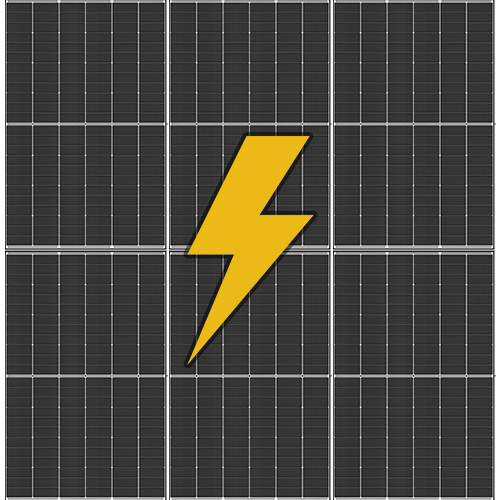
Our solar system went into operation on January 5, 2026. Technically, everything went smoothly as planned, only the schedule shifted slightly—but everything is still on track.
Our house faces almost exactly east-west and is therefore well suited to using as much energy as possible ourselves, which is the most financially sensible option when all factors are taken into account. However, the roof is rather steep, which is suboptimal. Unfortunately, this is not something you can choose in an old building. All in all, it is still a suitable property: not for achieving peak values, but for significantly reducing energy costs, including for the planned electric car.
A purely south-facing orientation would be throttled more often in summer under current regulations, as everyone feeds in power whenever no one is consuming it. This is much more balanced with an east-west facing system – less total power, but distributed more evenly from early morning to late evening, making it much better suited for everyday use.
A relatively flat south-facing system is still the best option for full feed-in. You can see how the irradiation behaves at the respective property in Baden-Württemberg on this website.
Based on the commissioning date (the values apply to commissioning between August 1, 2025, and January 31, 2026), the feed-in tariffs for us for at least the next 20 years under the EEG are as follows:
| Output of the PV system | Partial feed-in (with own consumption) |
|---|---|
| up to 10 kWp | 7,86 Eurocent/kWh |
| from 10 to 40 kWp | 6,80 Eurocent/kWh |
Design and planning
Our house is relatively large in relation to the rather small plot of land and is bordered on three of four sides. This inevitably causes a number of problems at various levels, but roof space is not one of them—we have more than enough of that, especially since a former barn with a hayloft is attached directly to the house. We are leaving this area unused for the time being and have only covered the living area with solar modules, around two chimneys and three skylights.
Due to the steep roof pitch and my aversion to heights, we had the entire system built without doing any of the work ourselves. However, that would also have been a (financially attractive) option.
First, you have to be clear about what you want to do and how you want to do it:
- The planned IT infrastructure runs 24/7 and therefore requires a certain amount of energy at all times, even at night and on sunny winter days.
- If technically feasible, a black start-capable, automatic emergency power function for the entire house would be desirable, as this would also reduce the size of the necessary UPSs, since only the (very low) switchover time would need to be bridged.
- The normal basic consumption of 200-500 watts in single-family homes (without a heat pump) would be more like 1 kW in our case and could even go up to 2 kW.
- Instead of the originally planned solar thermal expansion of our Fröling PE1 pellet heating system, which is no longer really financially viable, a three-phase heating element is to be installed in the 1000 liter hot water tank in order to still generate hot water using solar energy and save pellets. An electrical sleeve was already in place there (hot water tank from Reisser).
- A Remko multi-split air conditioning system with three of four indoor units is available and has high energy requirements for both cooling and heating, mainly in summer.
A 22 kW wallbox is planned for the medium term, preferably two. However, this will only be considered once we have purchased an electric car, which will take some time.
Offers
The entire PV project then proceeded as follows:
- Conduct research on costs/benefits, components, software, and options.
- Create a rough plan and define your requirements.
- Discuss the project and obtain quotes.
- If necessary, adjust the parameters and modify the quotes based on the prices.
- Accept a quote or continue searching.
At first, we wanted to go to the legally tax-free limit in terms of installed capacity – excessively close to 30 kWp. That’s a lot for a single-family home, too much financially – the payback period is greatly extended. Nevertheless, the system became extreme: in order to avoid the “large” ripple control receiver, including rent and all the inconveniences, and to reduce the amount of electrical conversion and adaptation required, we reduced the installed capacity to just under 25 kWp in the second offer and increased the storage capacity of the electricity storage unit.
If I hadn’t planned a really broad IT infrastructure within the house, the system would certainly not have been so large. When renovating a house, you should always keep an eye on the costs – even if the solar modules themselves are really cheap at the moment. As with pretty much everything, labor is the most expensive part, not the materials. The usual ~10 kWp on single-family homes is the ideal size for 90% of all households, also financially.
Decision?
In our case, the master electrician who had previously built our meter cabinet took over the entire PV project. The overall package appealed to us the most, and I had already identified the system from Sungrow as one of my favorites in terms of price/performance.
The following components were installed:
| Inverter | 25 kW Sungrow SH25T |
| Network connection of the inverter | LAN (or alternatively Wifi) Sungrow WiNet S2 |
| Power storage | 15 kWh (3 x 5 kWh) Sungrow SBH150 |
| Energy flow direction sensor / control | LAN (or alternatively Wifi) Sungrow iHomeManager |
| Solar panels | 24,92 kWp (56 x 445 Wp) Trina Solar Vertex S+ (TSM-445_NEG9R.28) N-Type, Monocrystalline, Glass-Glass, Standard (Not “Full Black”) |
| Substructure | Stainless Steel / Aluminium (Hook height adjustable) Schletter |
| Heating rod | 3 kW (three phases) Türk + Hillinger Elektrowärme* |
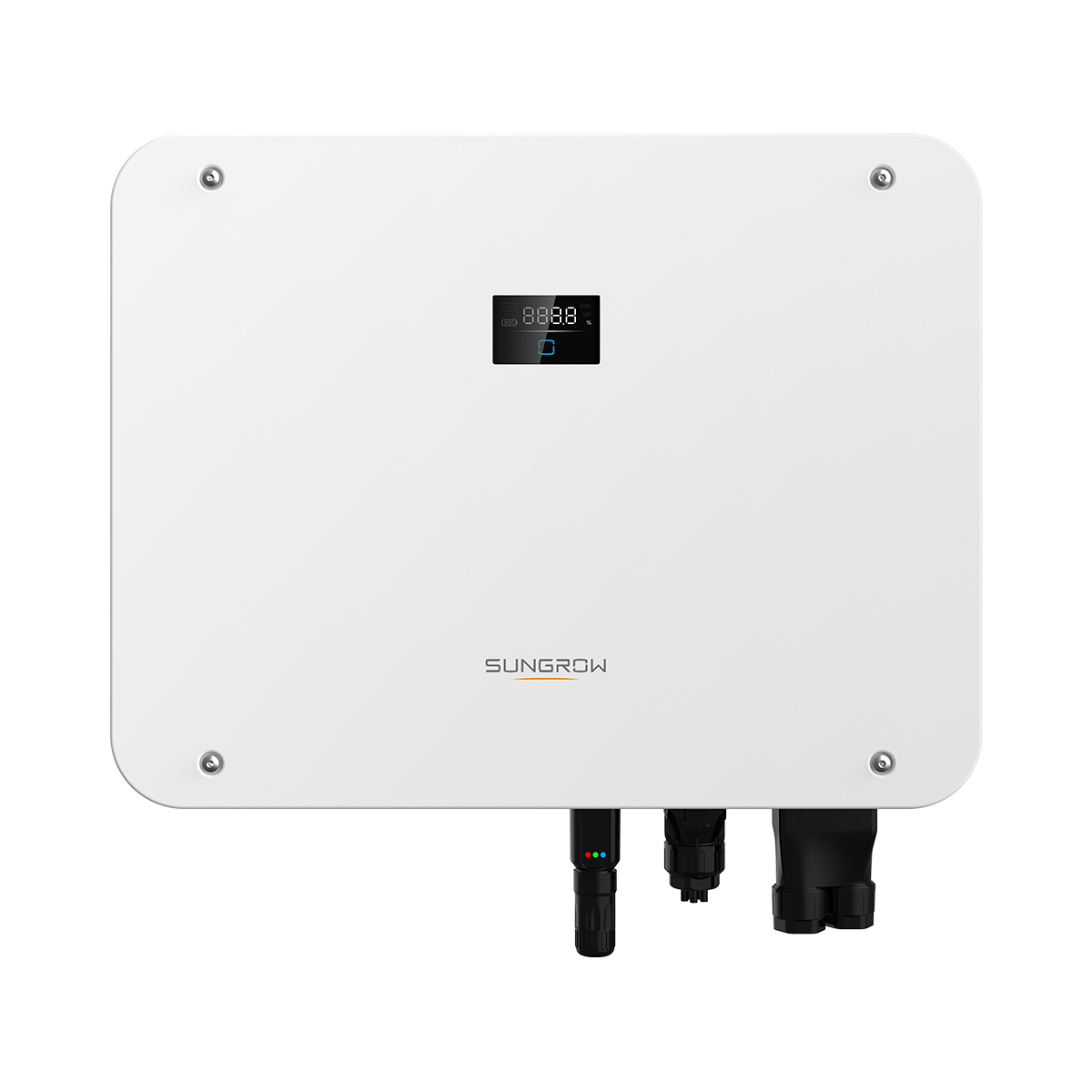 ⧉ Sungrow
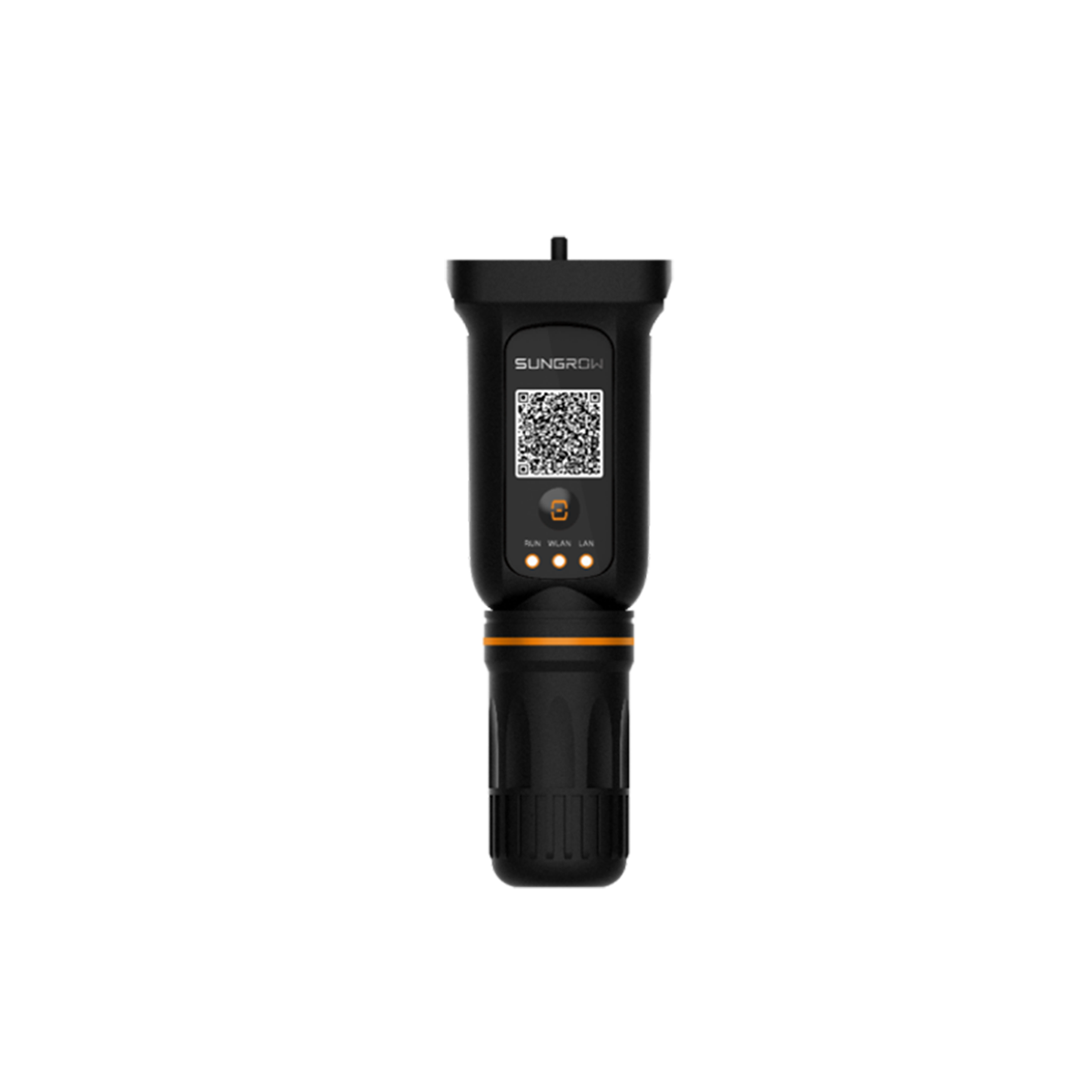 ⧉ Sungrow
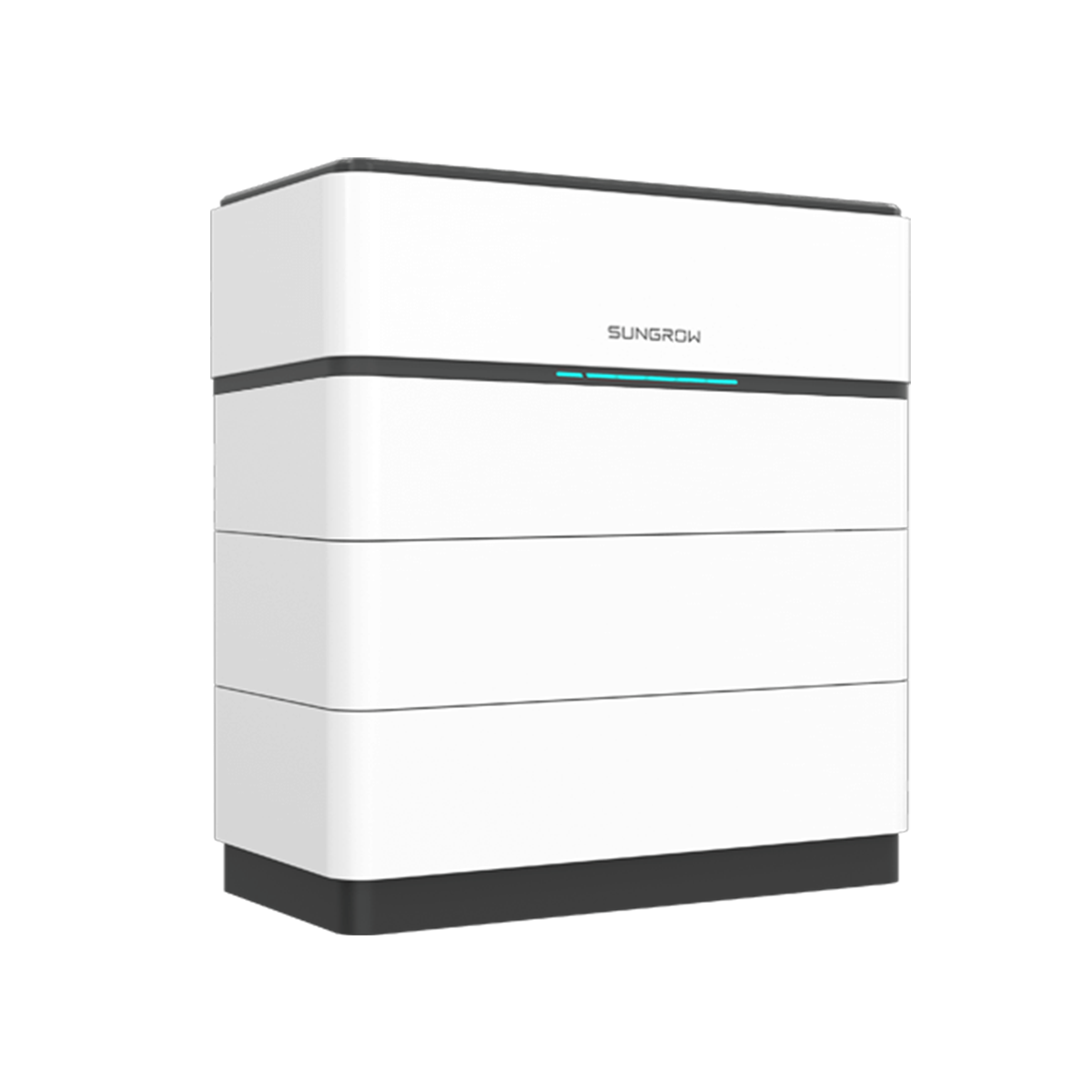 ⧉ Sungrow
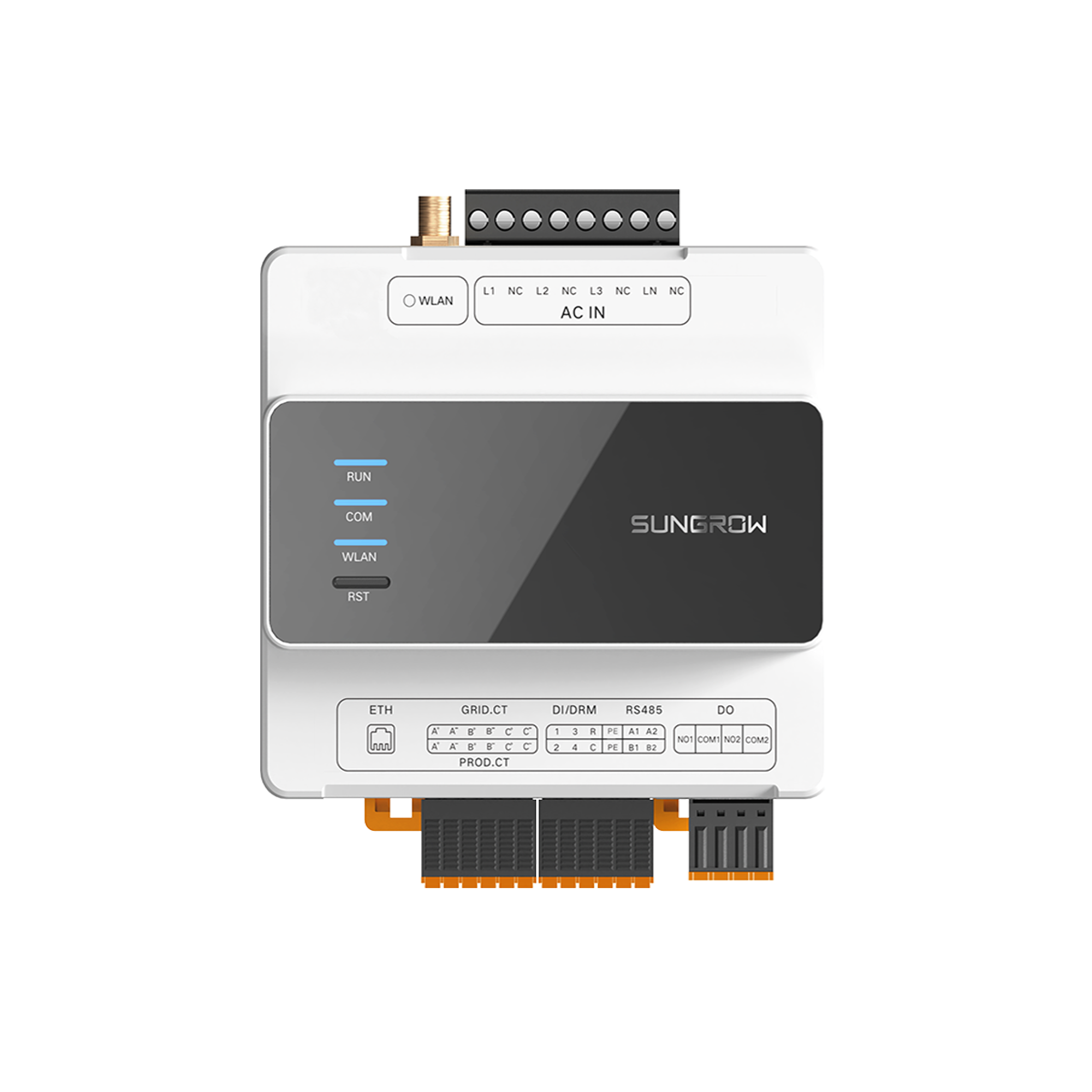 ⧉ Sungrow
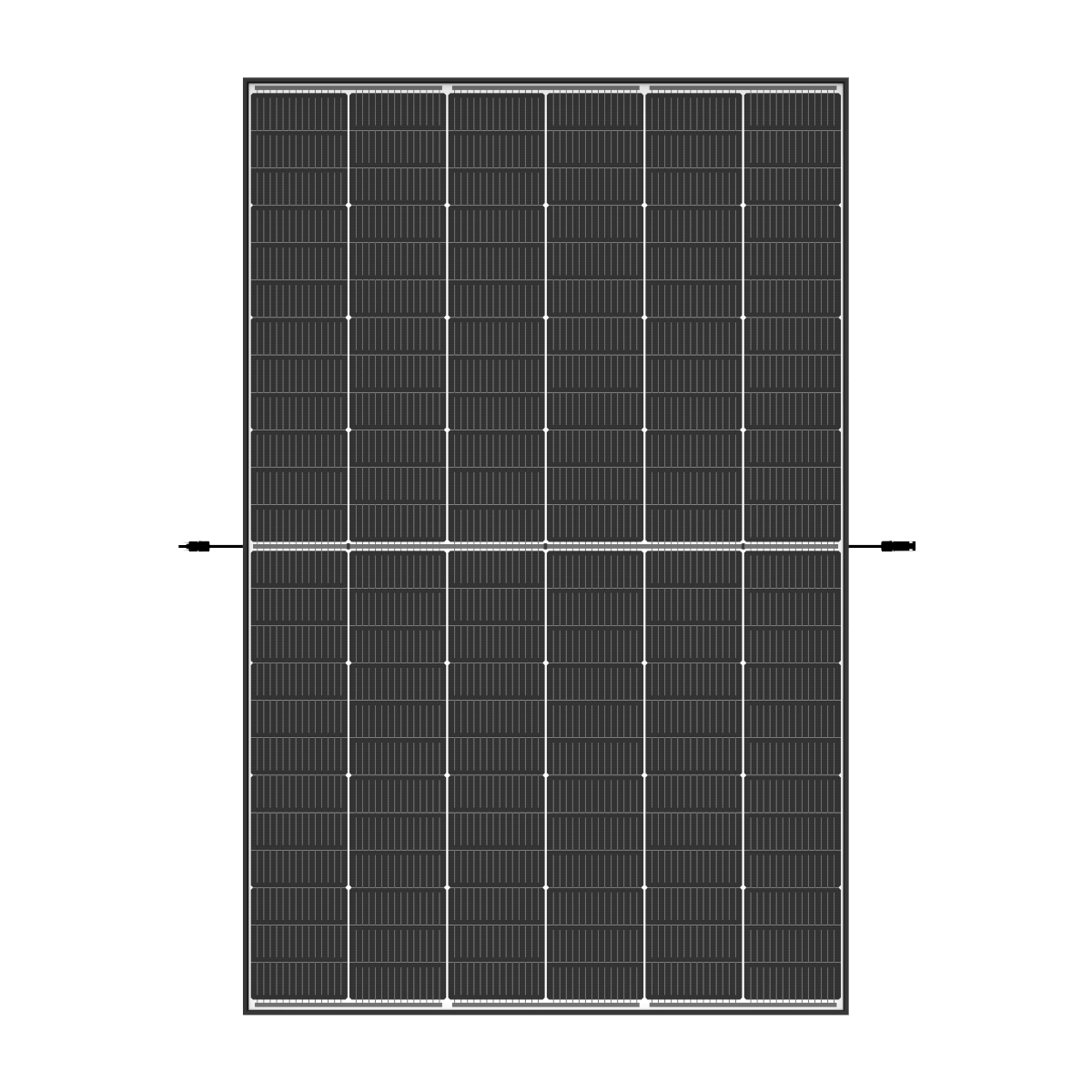 ⧉ Trina Solar
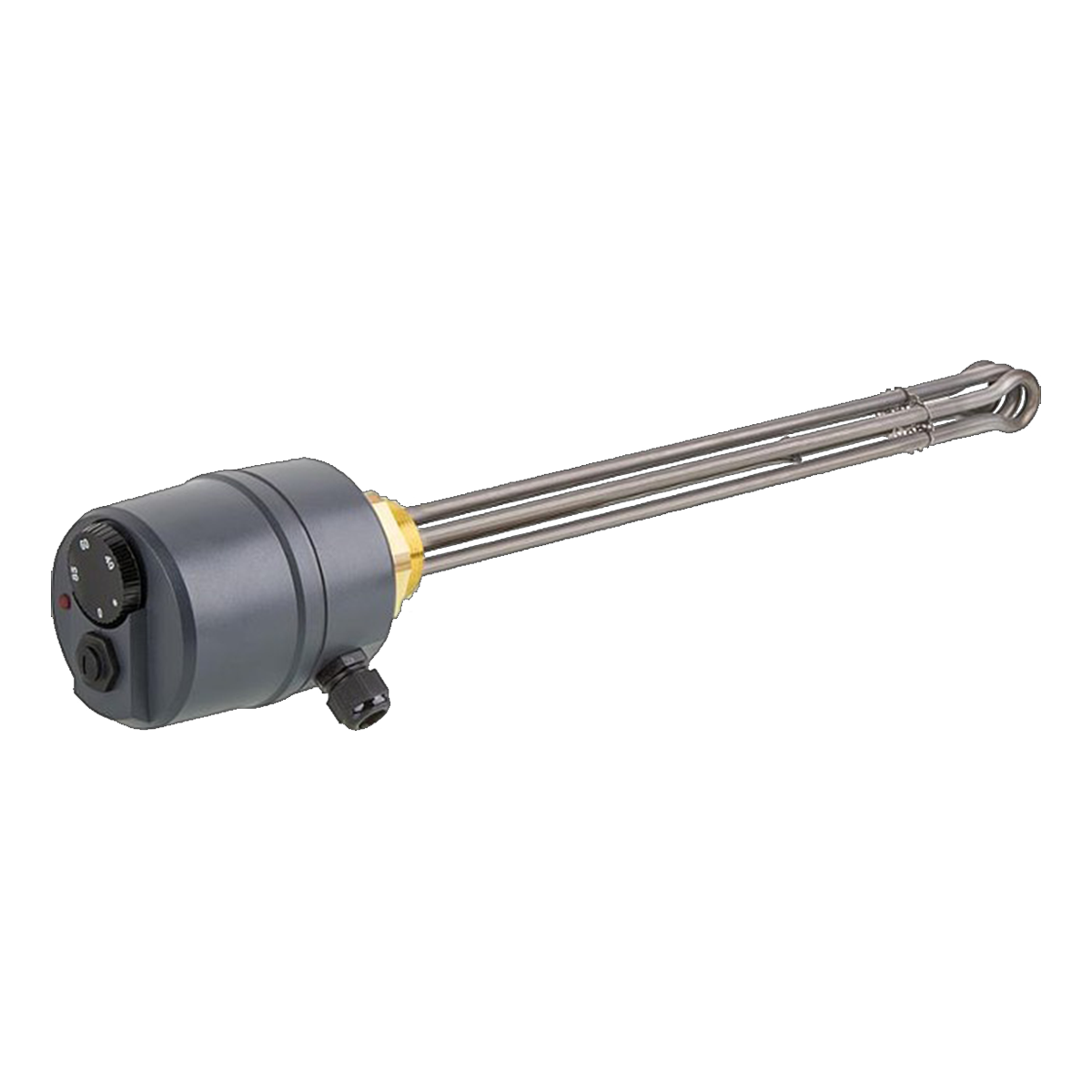 ⧉ Türk + Hillinger
The system has been running for a few days now and it’s winter. To make a statement about the yield, etc., the whole thing should run for at least a year, preferably two or more, to have comparative values.
Mathematically, approx. 20,000 kWh per year should be feasible; if that’s even roughly accurate, everything is as desired. We may expand the electricity storage system in the future, but this decision will of course depend on the usage of the 15 kWh system that is now installed. Since the installed system is Sungrow’s “large” model, each storage tower can be expanded to a maximum of 40 kWh (8 modules with 5 kWh each). A total of four towers can be interconnected, which would result in an impressive 160 kWh, which is technically feasible.
Due to the placement in our utility room, two to three modules could easily be added, which would result in an impressive 25 or 30 kWh.