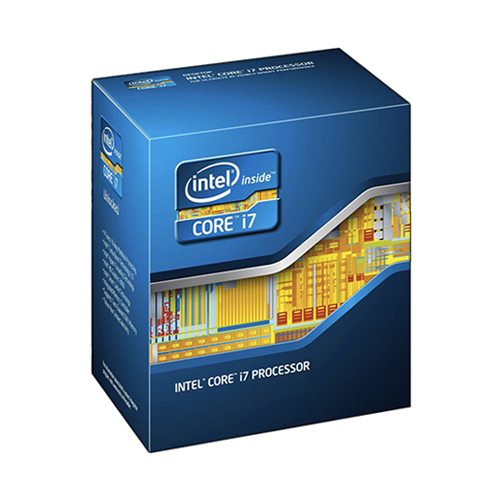
As previously determined in the RetroBook project, the maximum Intel processor generation officially supported by Windows XP is the third generation, codenamed Ivy Bridge. This represents a slight improvement on Sandy Bridge, which was a really good step forward (clock speeds, performance per watt, AVX, SATA-III, PCI-Express 3.0, etc.).
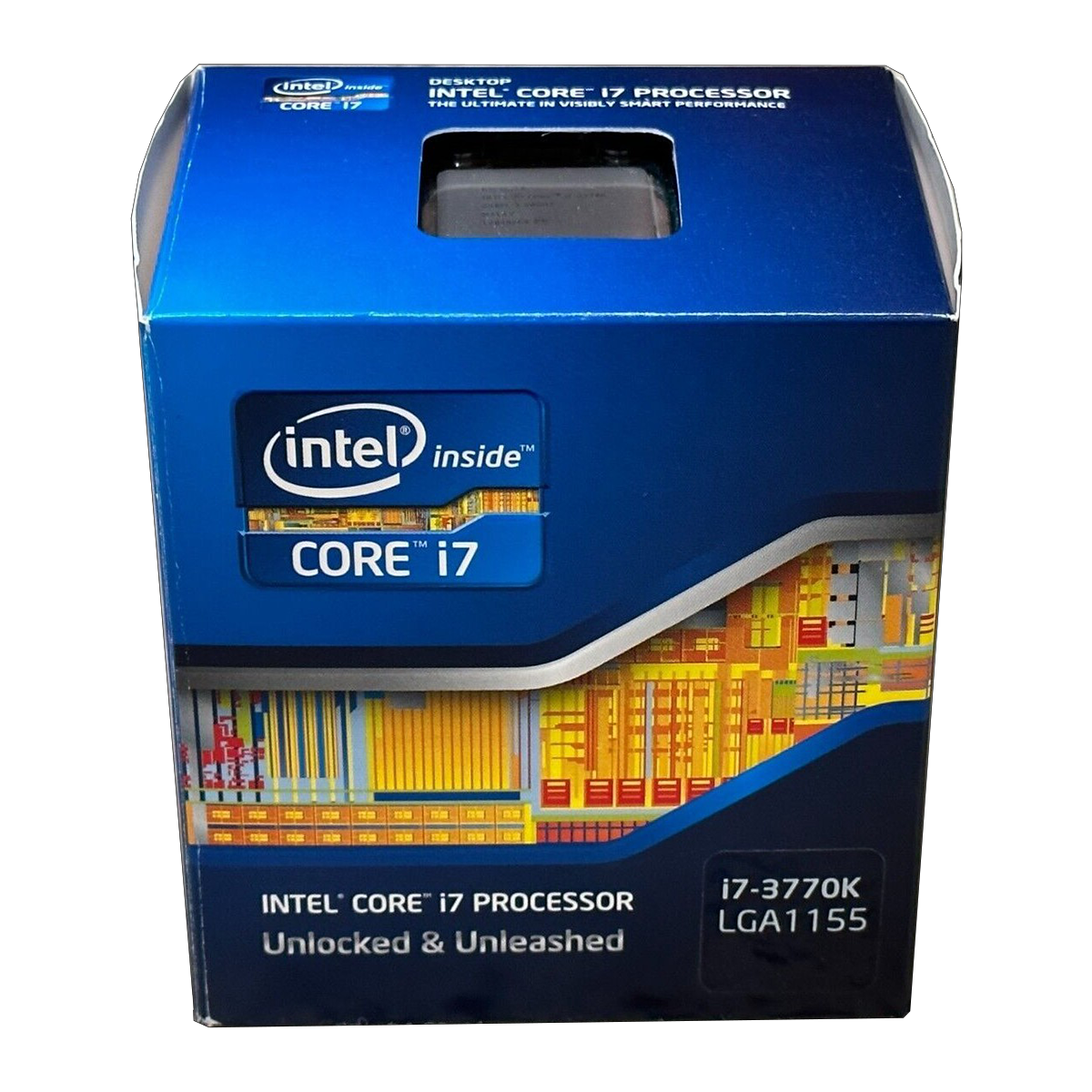
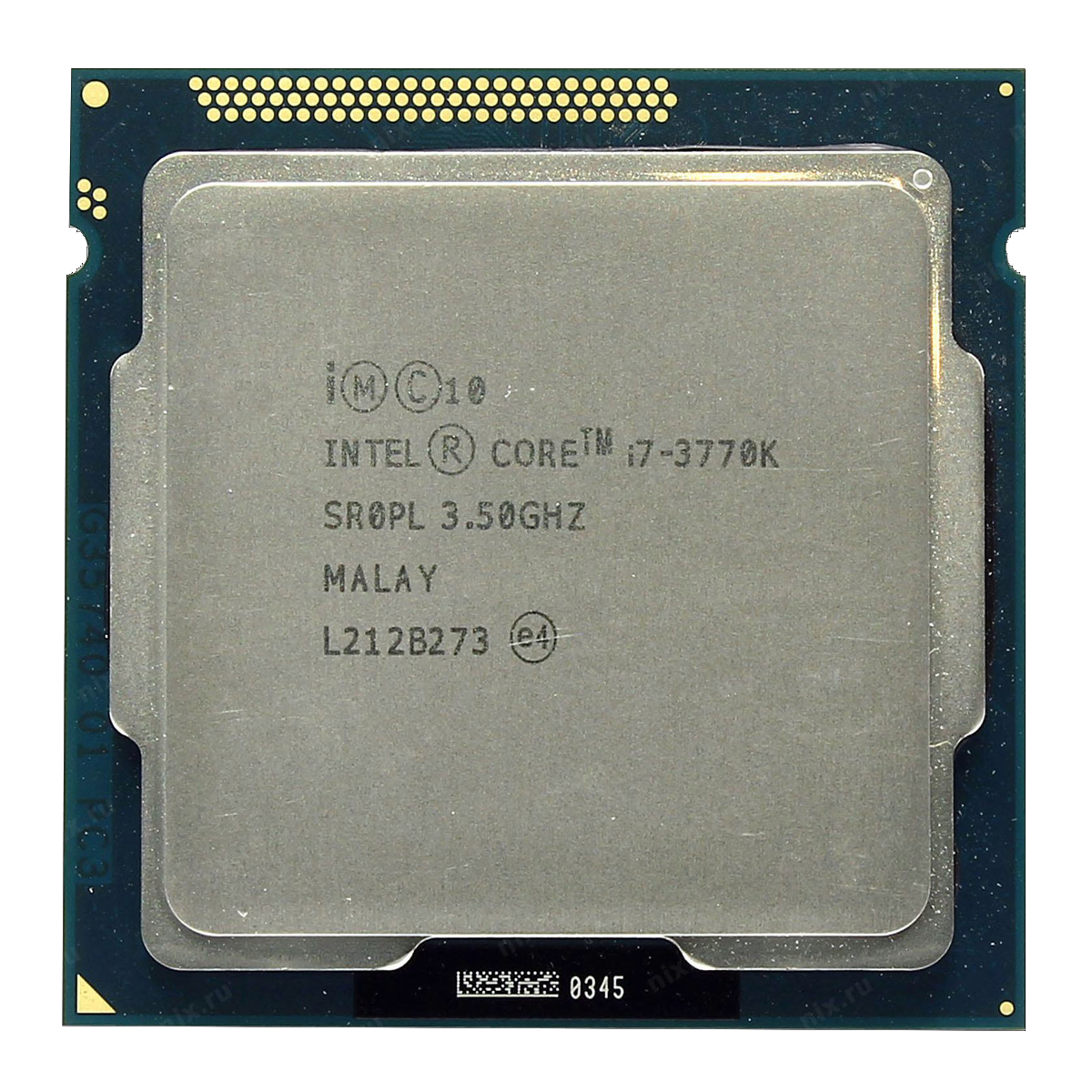
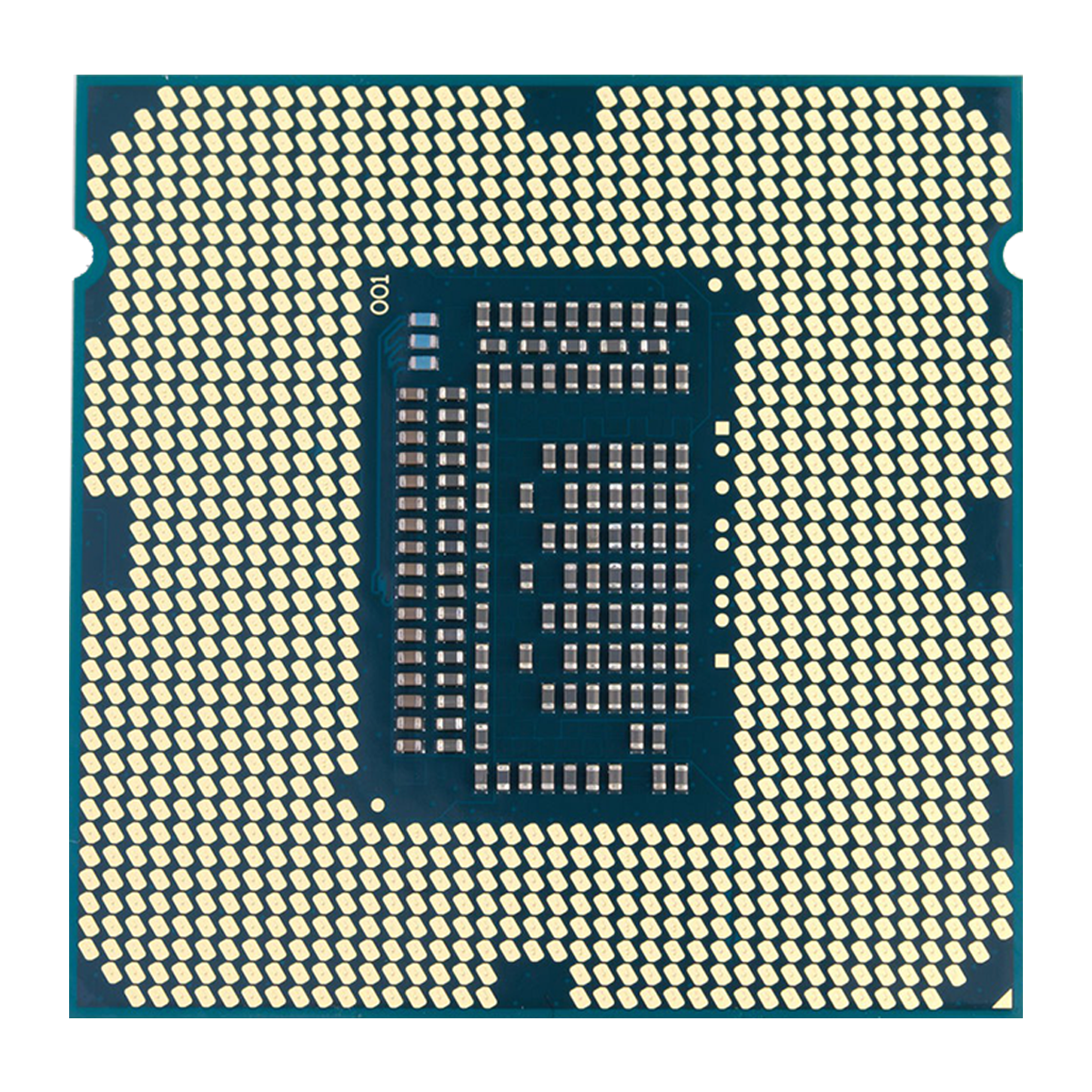
So the next step is to decide which direction to go in. That’s easy to figure out: the most powerful Ivy Bridge processor available in the consumer desktop segment is the i7-3770K. It’s a quad-core CPU with hyperthreading, and the K indicates that it can be overclocked. After a quick search, you can find this processor used for a relatively low price. So that’s the one we’ll go with, right?
 ⧉ Intel
 ⧉ Intel
 ⧉ Intel
Great, that was quick…
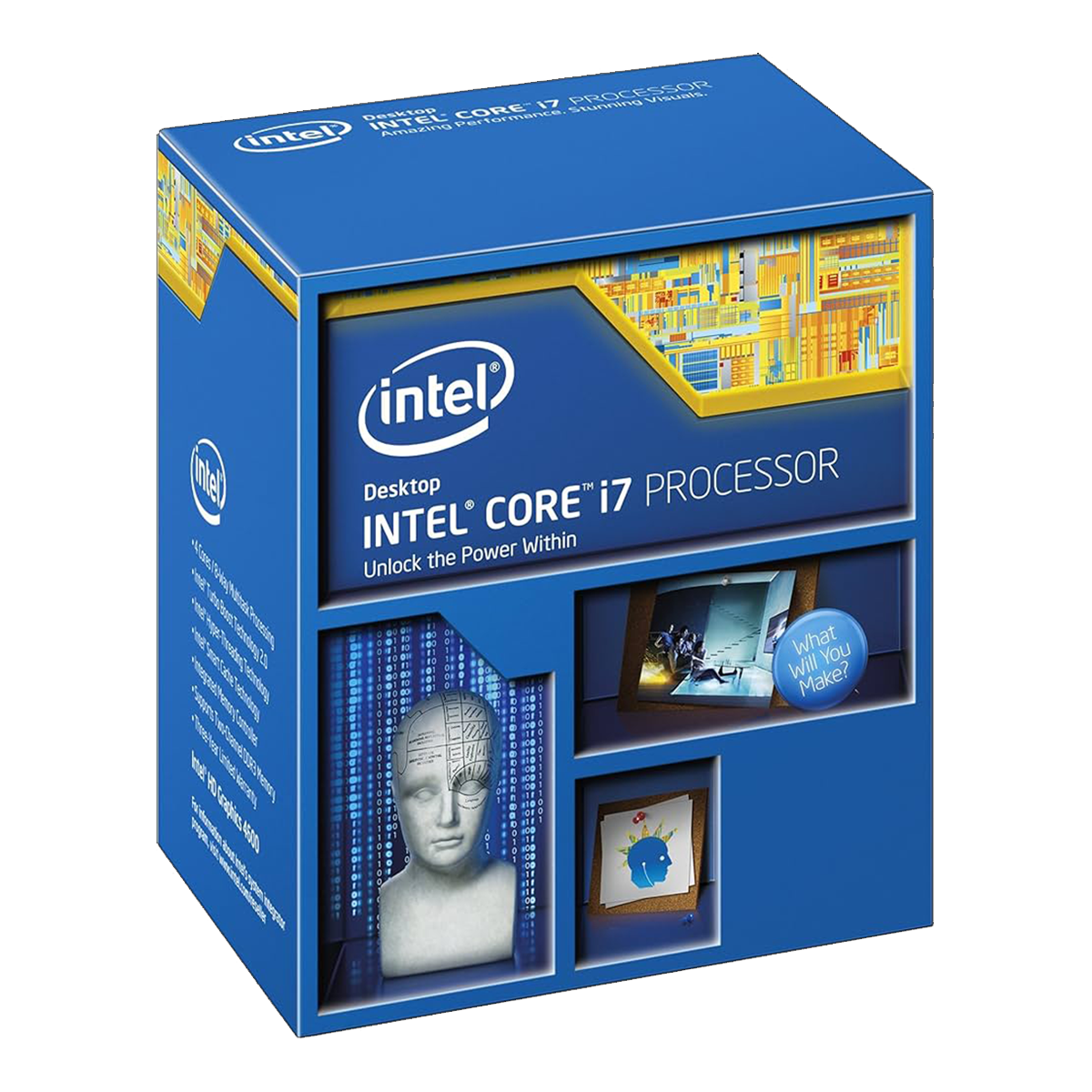
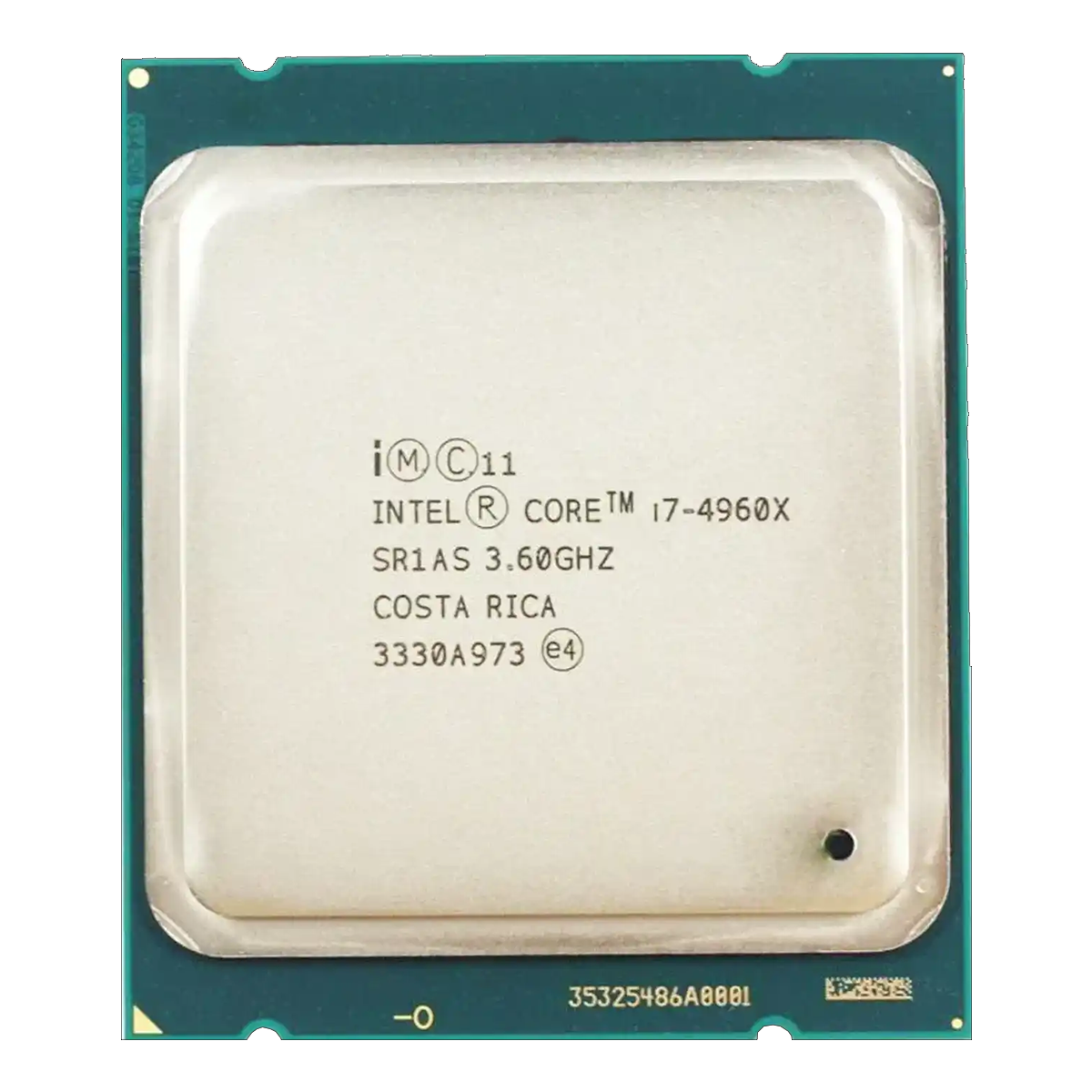
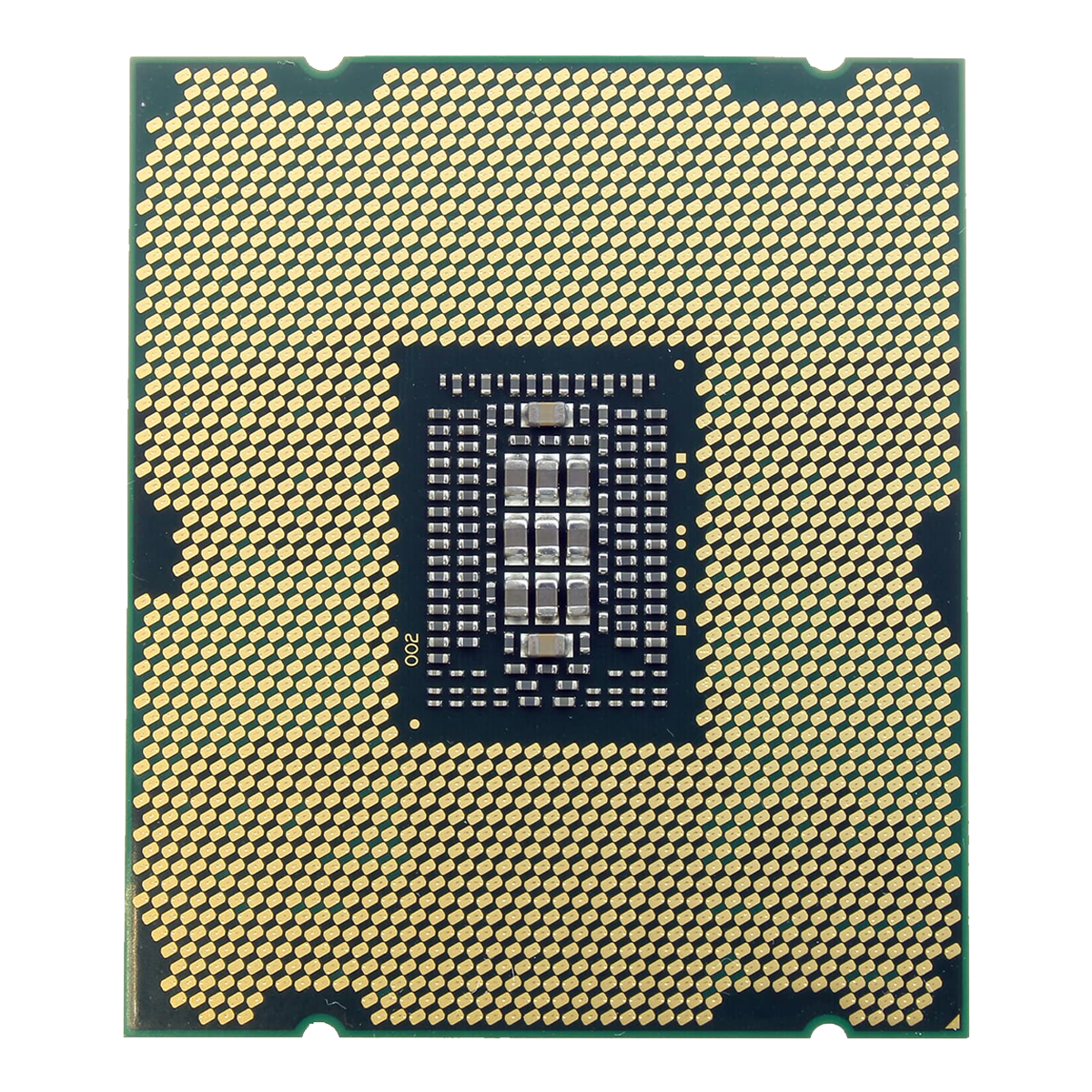
…no, not really. I wanted to push the processor performance to its limits. There are also the Ivy Bridge-based workstation models, the most powerful of which is the i7-4960X. Intel’s naming convention is confusing; you would expect a Haswell processor because of the “4” in the name. It has 6 cores and 12 threads, which is 50% more of everything. This CPU is also overclockable, and the 15 MB L3 cache is a real improvement compared to the maximum 8 MB in the desktop segment with the i7-3770K.
At the same time, it’s important to note that Intel has only been shipping desktop processors from Ivy Bridge onwards with thermal paste between the heat spreader and the die, which causes numerous problems and almost requires delidding for good operation or meaningful overclocking, especially more than 10 years later. However, the workstation processors are still soldered, which is another plus point. The power consumption is not so good – 130 watts in its original state.
Furthermore, the workstation platform is designed as quad-channel DDR3, i.e., the maximum RAM expansion is 64 GB with 8 memory modules (8 x 8 GB) instead of the usual 32 GB with 4 modules (4 x 8 GB) in the desktop segment. The theoretical read and write throughput is also almost twice as high.
 ⧉ Intel
 ⧉ Intel
 ⧉ Intel
So it’ll be this one, it looks great, doesn’t it?
Theoretically, yes. However, after extensive research, I have chosen another candidate that deliberately flew completely under the radar for many years. This model was never officially available in retail stores, only in the form of pre-configured computers, more specifically: exclusively in Apple Mac Pro “Trashcan” models from 2013, as a configurable CPU. For a long time, this CPU was very expensive on the second-hand market because it was highly sought-after and rare. We are talking about the GOAT of the Ivy Bridge generation:
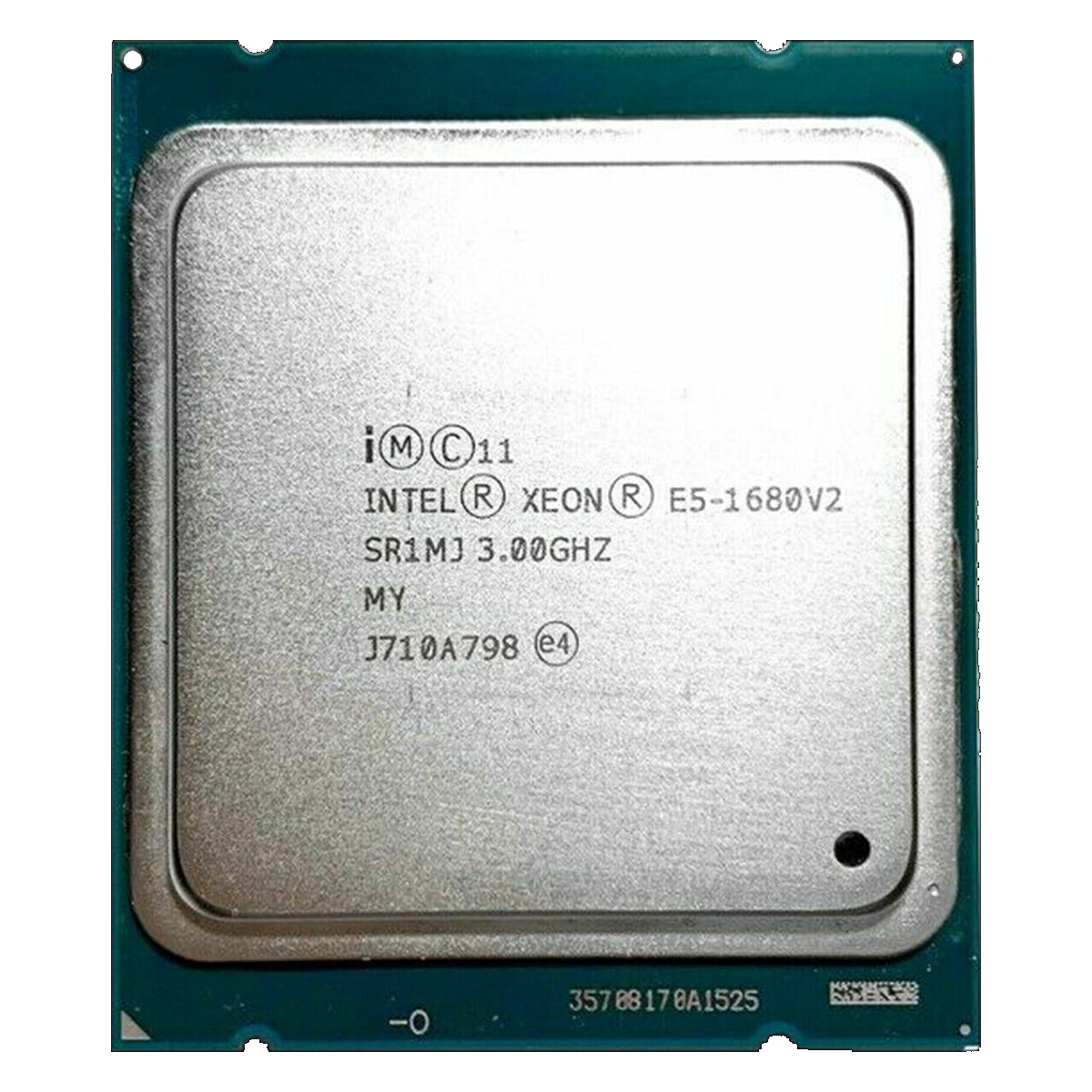
Intel Xeon E5-1680 v2!
Admittedly, it’s a somewhat unwieldy name. And with a Xeon, aren’t they clocked very low?
Yes, the clock speed is relatively low. More on that in a moment.
The technical data will make every computer enthusiast sit up and take notice, especially with the 2013 release, where four cores with high clock speeds were considered high-end:
- LGA 2011 socket, meaning it is also compatible with workstation motherboards in terms of hardware.
- 8 cores, 16 threads
- 25 MB L3 cache (!)
- For some reason, it can be overclocked!
It’s unbelievable, really. I’d love to know how it came about that the single socket versions of Ivy Bridge EP with the name E5-16XX v2 have an unlocked multiplier; even the smaller variants are unlocked. Either macOS has used some tricks with regard to power consumption or something similar, or someone at Intel forgot to lock the multiplier. Regardless of how or who – thank you.
 ⧉ Intel
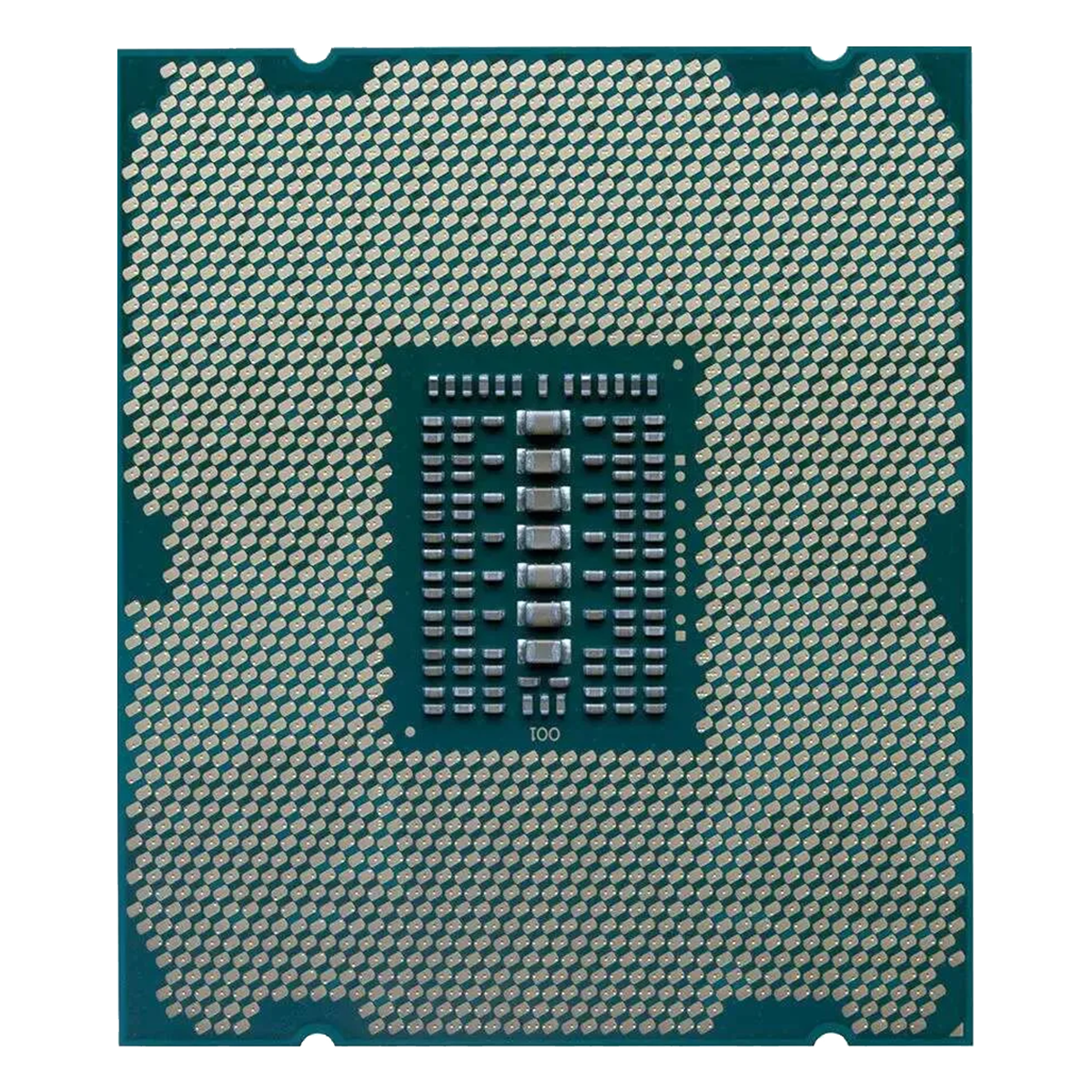 ⧉ Intel
 ⧉ Apple
Here is an overview of the differences between the i7-4960X and Xeon E5-1680 v2:
| Property | Intel Core i7-4960X | Intel Xeon E5-1680 v2 |
|---|---|---|
| S-Spec | SR1AS | SR1MJ |
| Cores / Threads | 6 / 12 | 8 / 16 |
| Architecture / Lithography | Ivy Bridge E (22 nm) | Ivy Bridge EP (22 nm) |
| Clocks | Base clock: 3.60 GHz Core count / max. Turbo-Boost: 1 – 4.00 GHz 2 – 3.90 GHz 3 – 3.90 GHz 4 – 3.80 GHz 5 – 3.70 GHz 6 – 3.70 GHz | Base clock: 3.00 GHz Core count / max. Turbo-Boost: 1 – 3.90 GHz 2 – 3.80 GHz 3 – 3.70 GHz 4 – 3.50 GHz 5 – 3.40 GHz 6 – 3.40 GHz 7 – 3.40 GHz 8 – 3.40 GHz |
| Socket | LGA 2011 | LGA 2011 |
| Caches | L1 : 192 KB L2: 1,5 MB L3: 15 MB | L1 : 512 KB L2: 2 MB L3: 25 MB |
| RAM clock | DDR3-1333, DDR3-1600, DDR3-1866 | DDR3-1333, DDR3-1600, DDR3-1866, optional with ECC |
| TDP | 130 Watt | 130 Watt |
| Overclockable / Free multiplier | Yes | Yes (!) |
| Compatible chipsets | X79 (Patsburg – HEDT) | X79 (Patsburg – HEDT) C602 (Patsburg – Server) |
This processor will be a welcome rarity in this Windows XP retro PC. After keeping an eye out for deals, I was able to purchase one on eBay for €90 after a few weeks.