
The following components have already been defined:
- Processor, Intel Core i7-7700K
- Processor cooler, Thermalright Peerless Assassin 120 SE
- Motherboard, ASUS ROG Strix Z270E Gaming
The following parts are still missing:
- RAM
- Possibly a graphics card with HDMI 2.0
- SSD / HDD
- Power supply
- Case, but since the whole thing will be overclocked on a benchtable and later built into a drawer, this is negligible.
RAM:
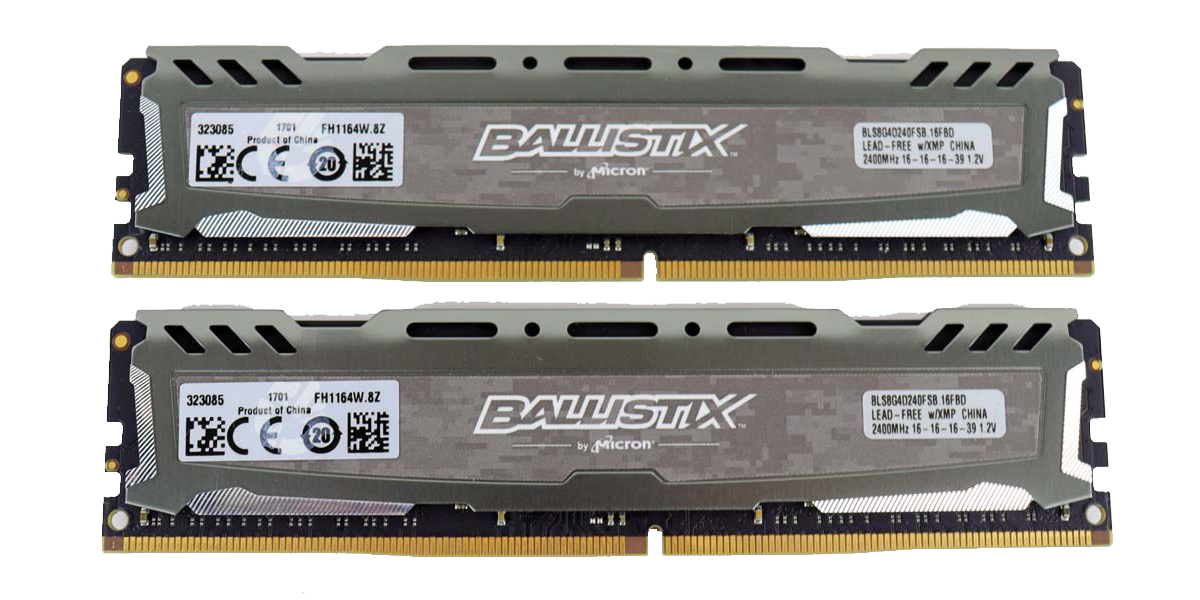
For RAM, I used a 16 GB kit consisting of two 8 GB modules – Crucial Ballistix (DDR4-2400)*. I already had them on hand, left over from a previous upgrade project:
 ⧉ Crucial
Graphics card:
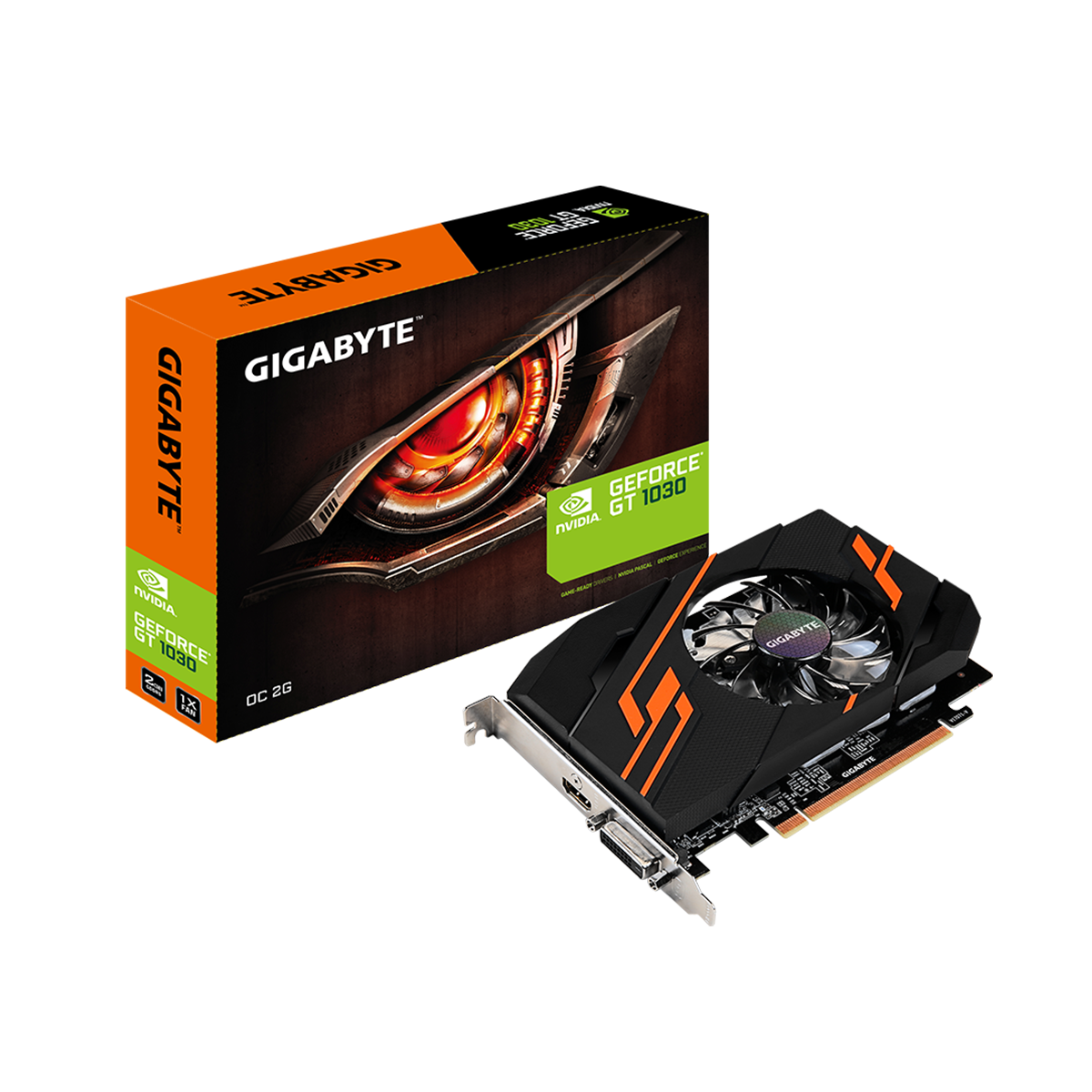
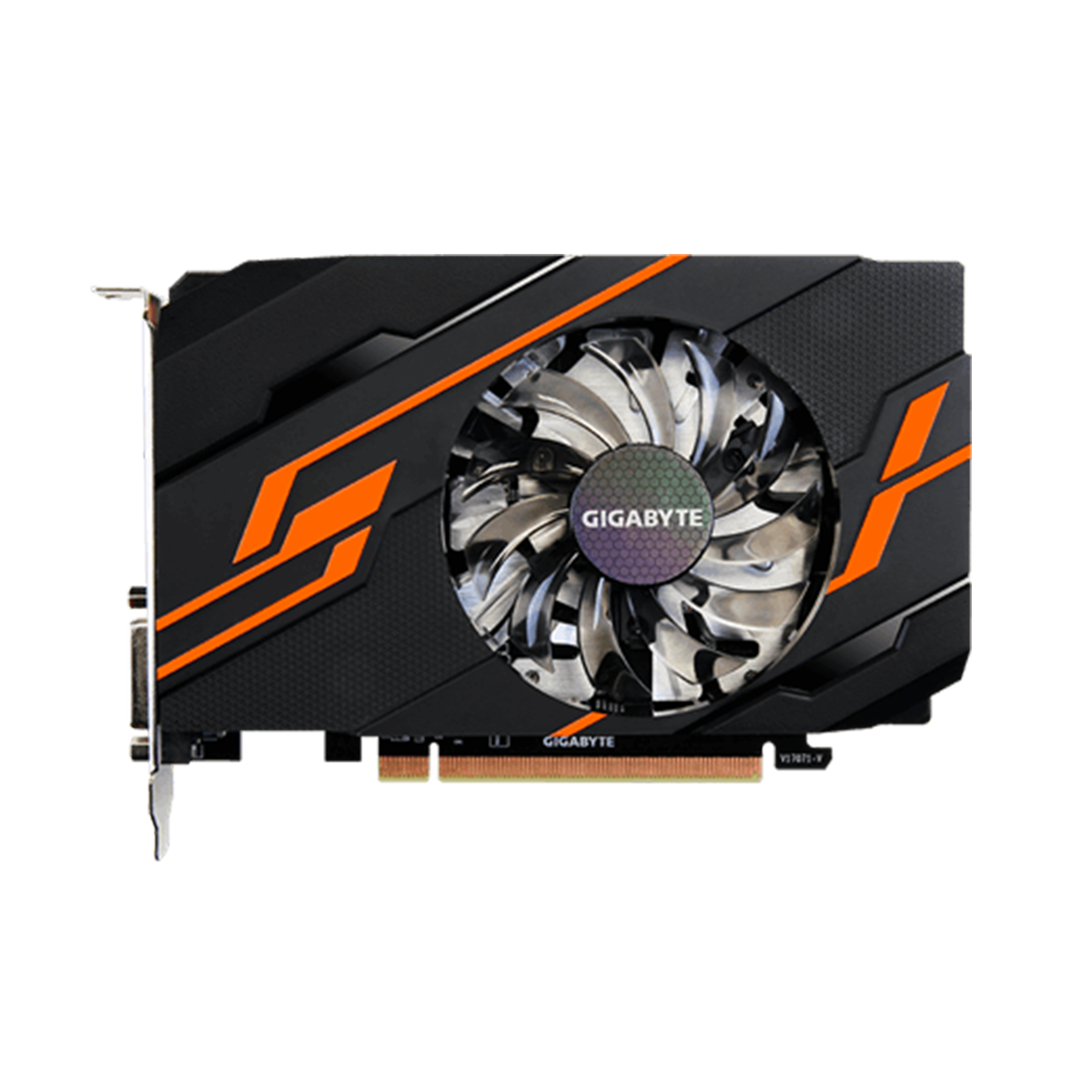
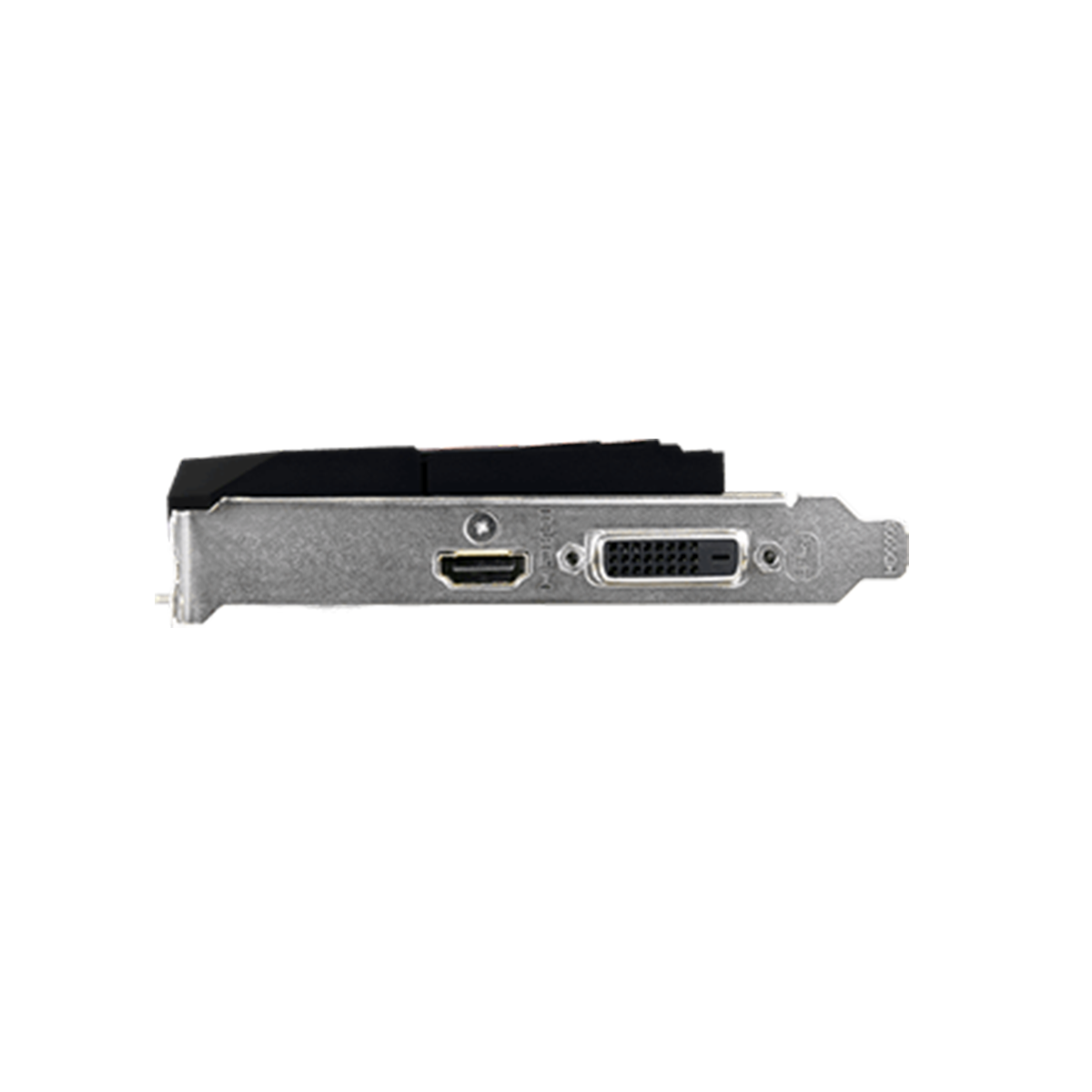
As a dedicated GPU, even though Intel’s integrated GPU would have also enabled 4K @ 60 Hz via DisplayPort 1.4, I used an existing and unused Nvidia GeForce GT 1030 OC* from Gigabyte. Of course, in terms of connectivity (PCIe 3.0 x4!), it’s not a particularly good card, but it can do one thing better than the integrated one: 4K @ 60 Hz via HDMI 2.0. As an additional positive side effect, more RAM is available for the system as a whole, which would otherwise have been used by the integrated GPU.
 ⧉ Gigabyte
 ⧉ Gigabyte
 ⧉ Gigabyte
SSD / HDD:
I plan to install two data storage devices—a very fast NVMe boot drive, also a leftover Samsung 960 Evo with 250 GB of storage space (my first NVMe, newer model*), and a 3.5″ SATA hard drive with 1 TB of storage space* as a slow data grave for downloads, cache, etc.
There are SSDs with significantly more performance – I consider the read rates for everyday use of this system to be by far the most relevant, and even the smallest 960 Evo with 250 GB at the time can shine here, with a maximum of 3200 MB/s. The fastest PCIe 3.0 x4 Samsung SSD in the consumer sector, the 970 Evo Plus (the successor to the 970 Evo), only manages marginally more, namely a maximum of 3500 MB/s – which is the maximum for the interface anyway.
The 960 Evo is therefore a good fit for this system because even it almost maxes out the interface when it comes to important read operations. The NVMe also gets a passive heat sink from JEYI – I’ve installed it many times before – it works well, looks good, and is very affordable:
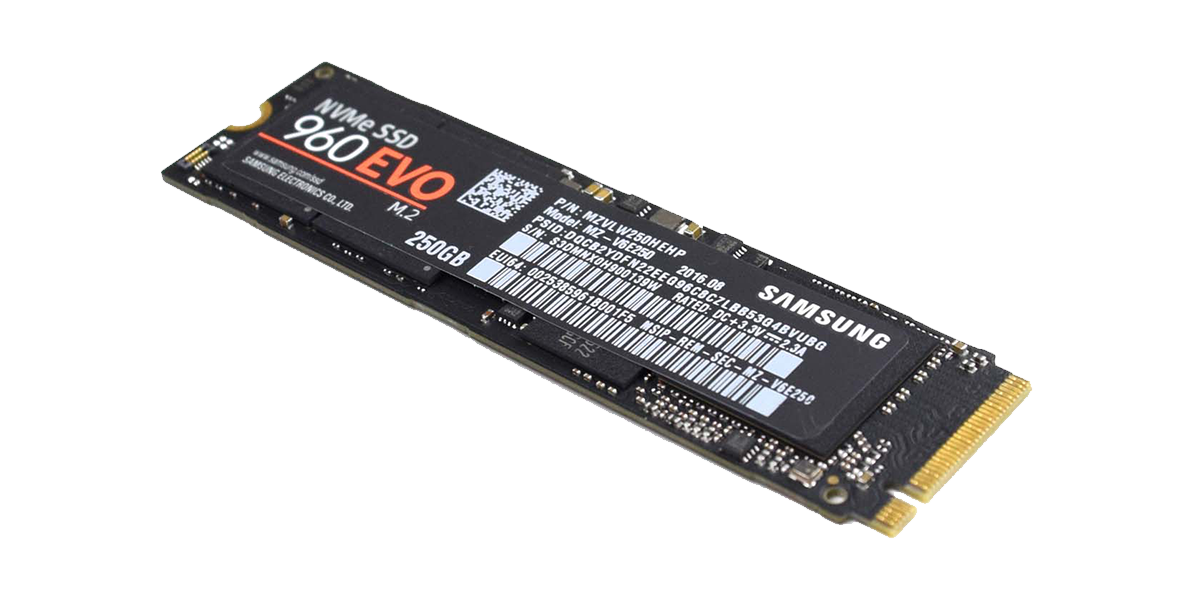 ⧉ Samsung
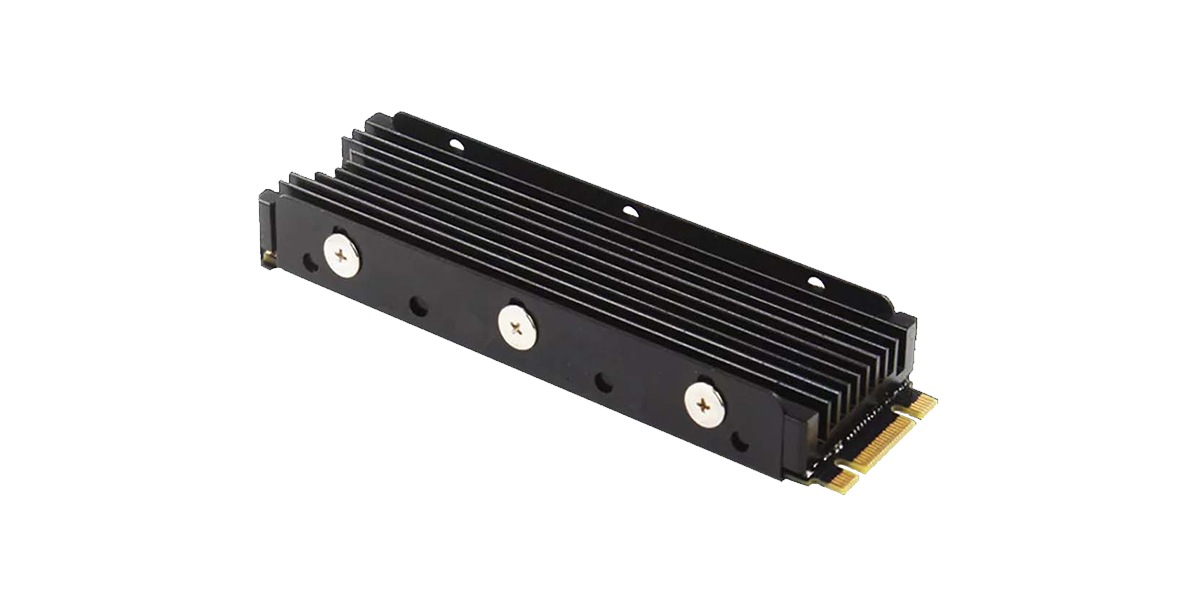 ⧉ JEYI
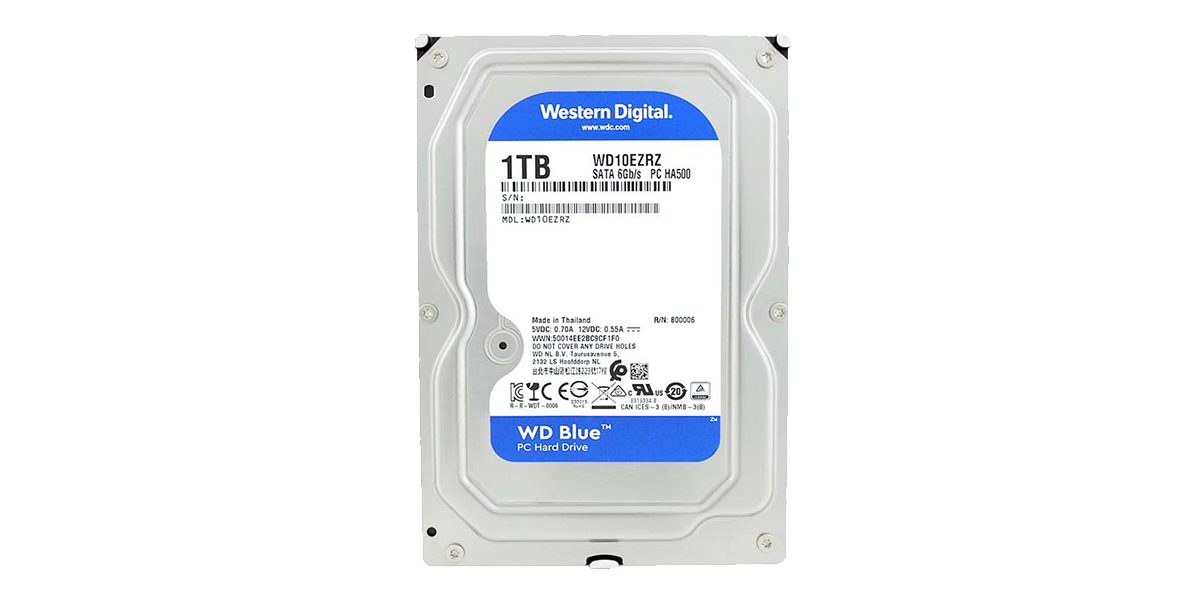 ⧉ WD
⧉ WDPower supply:
Like everything else… left over. I usually use power supplies from Corsair*, and in exceptional cases from EVGA.
Here’s a picture:
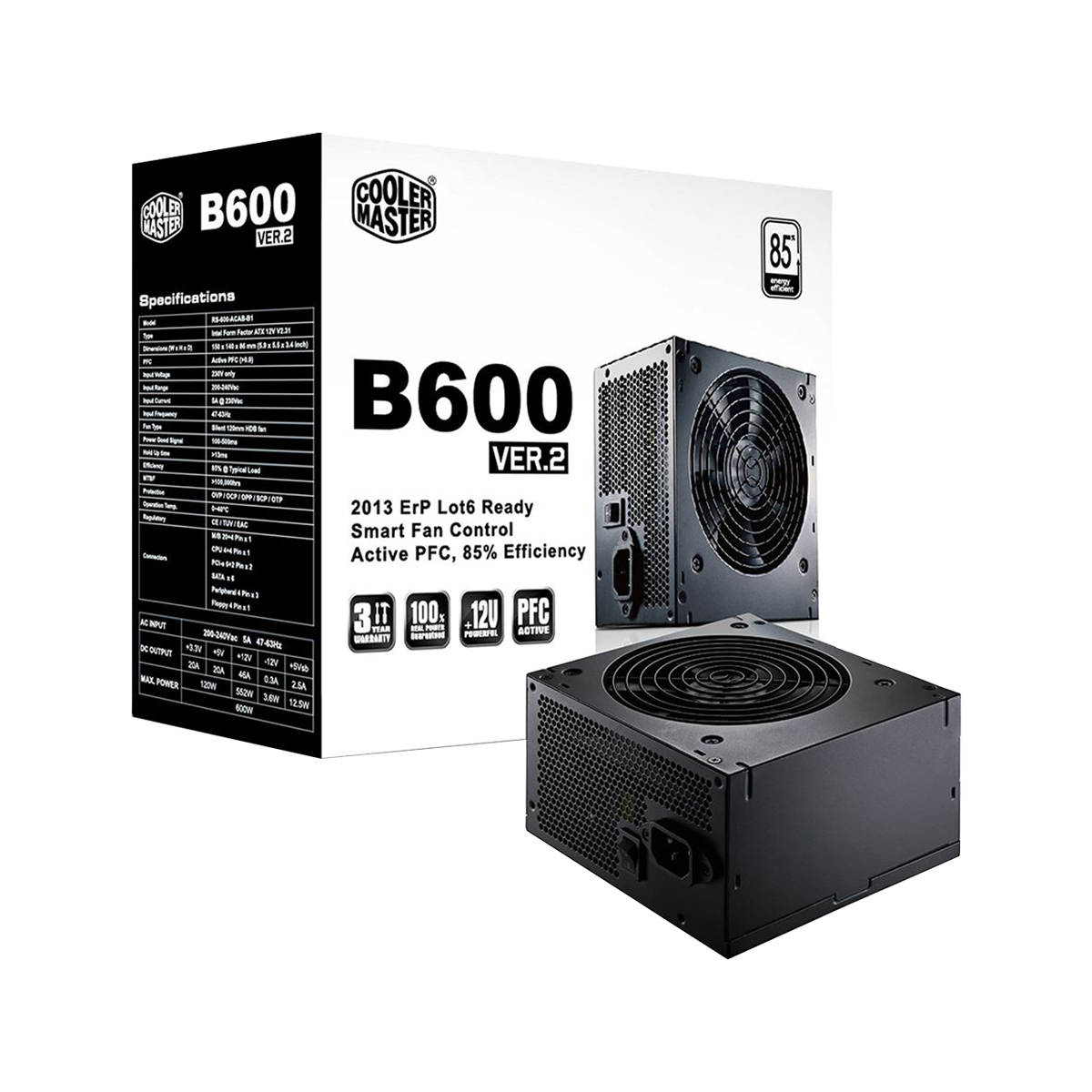 ⧉ CoolerMaster
Now all the components are together—assemble them and start overclocking!