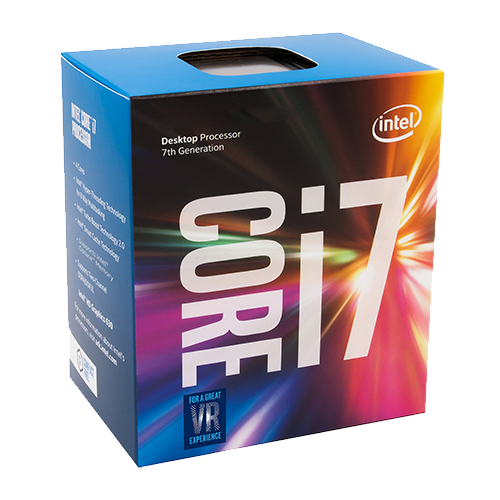
Some time ago, I came across a rather poorly configured system that was ripe for cannibalization:
| Processor | Intel Core i7-7700K 4 Cores, 8 Threads Base clock 4.20 GHz |
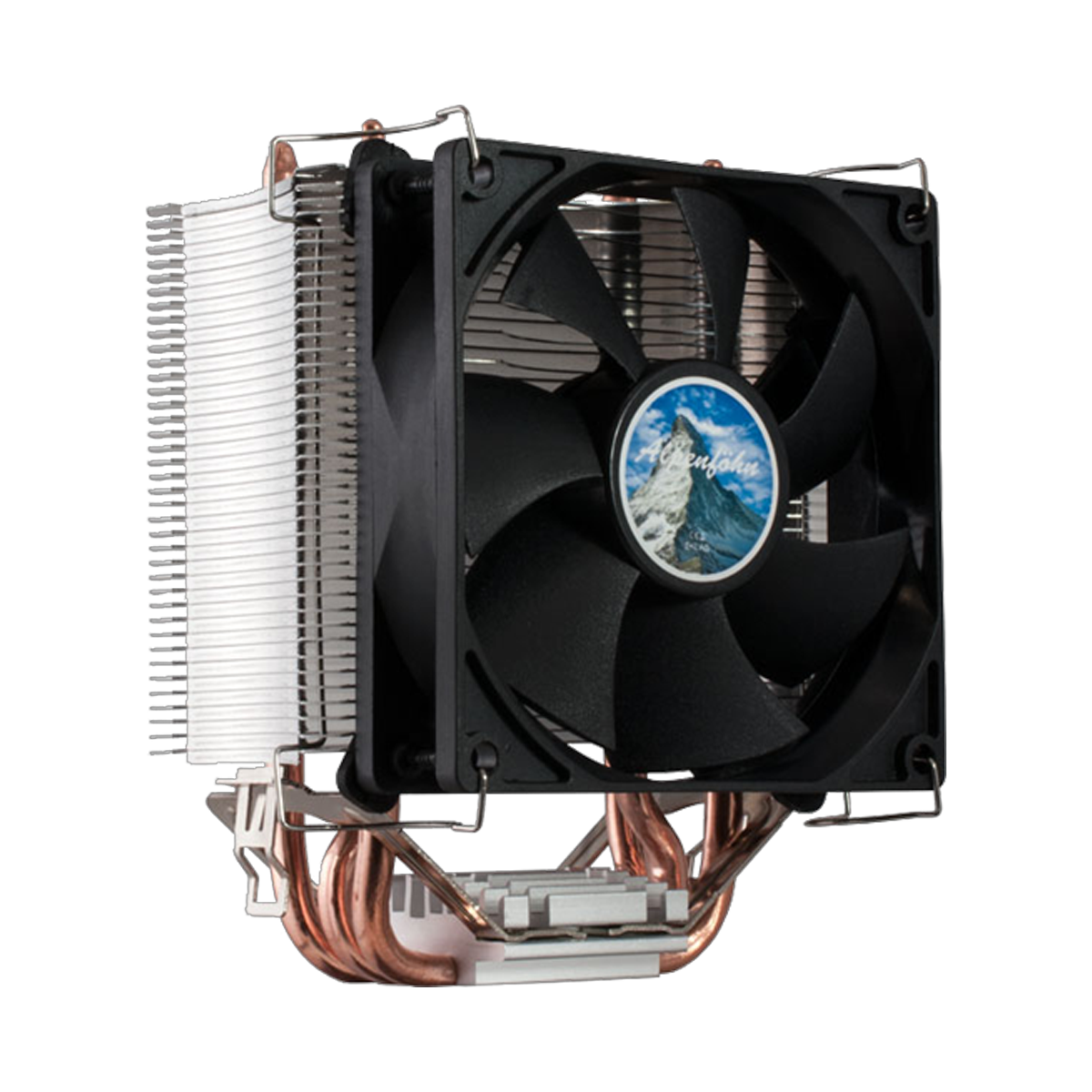
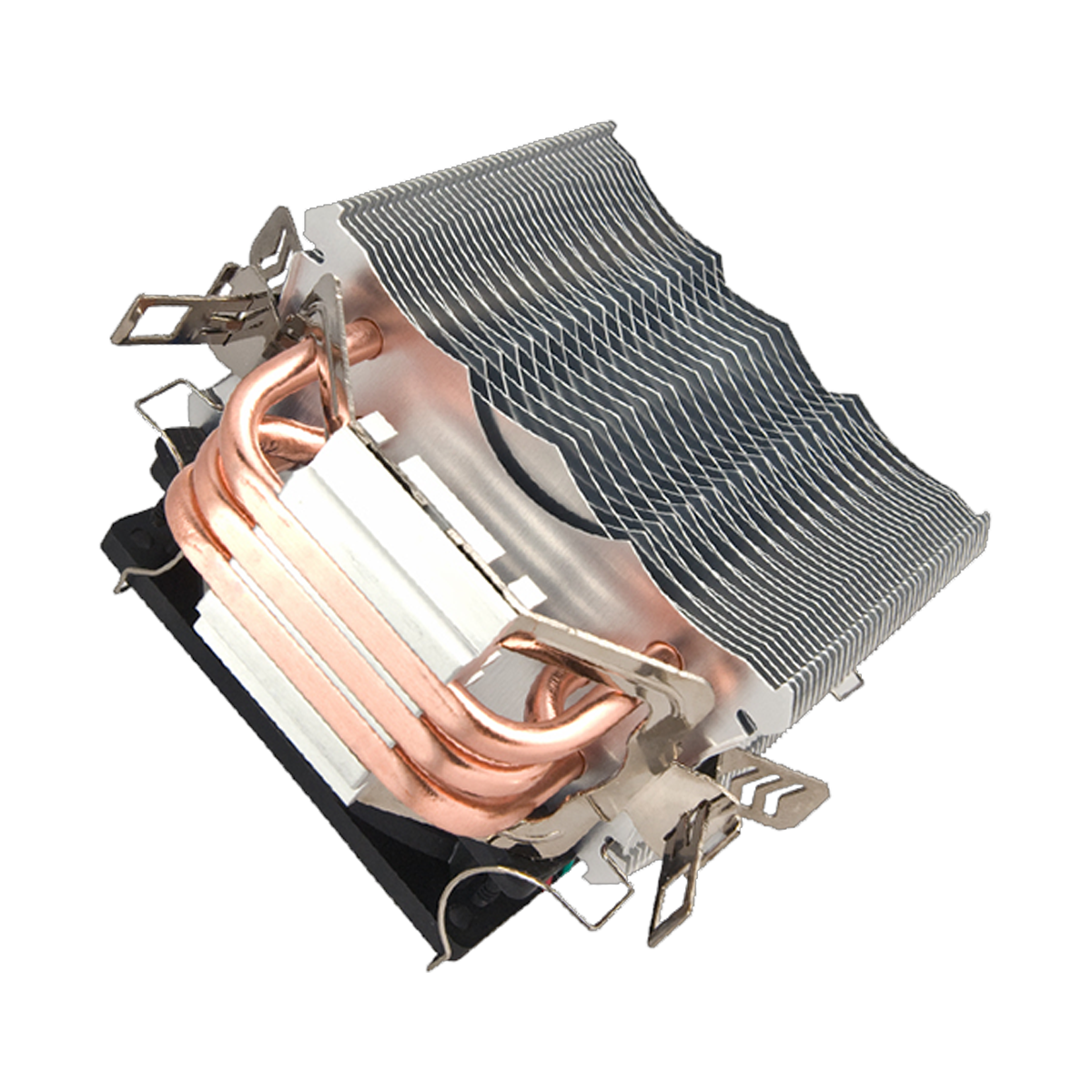
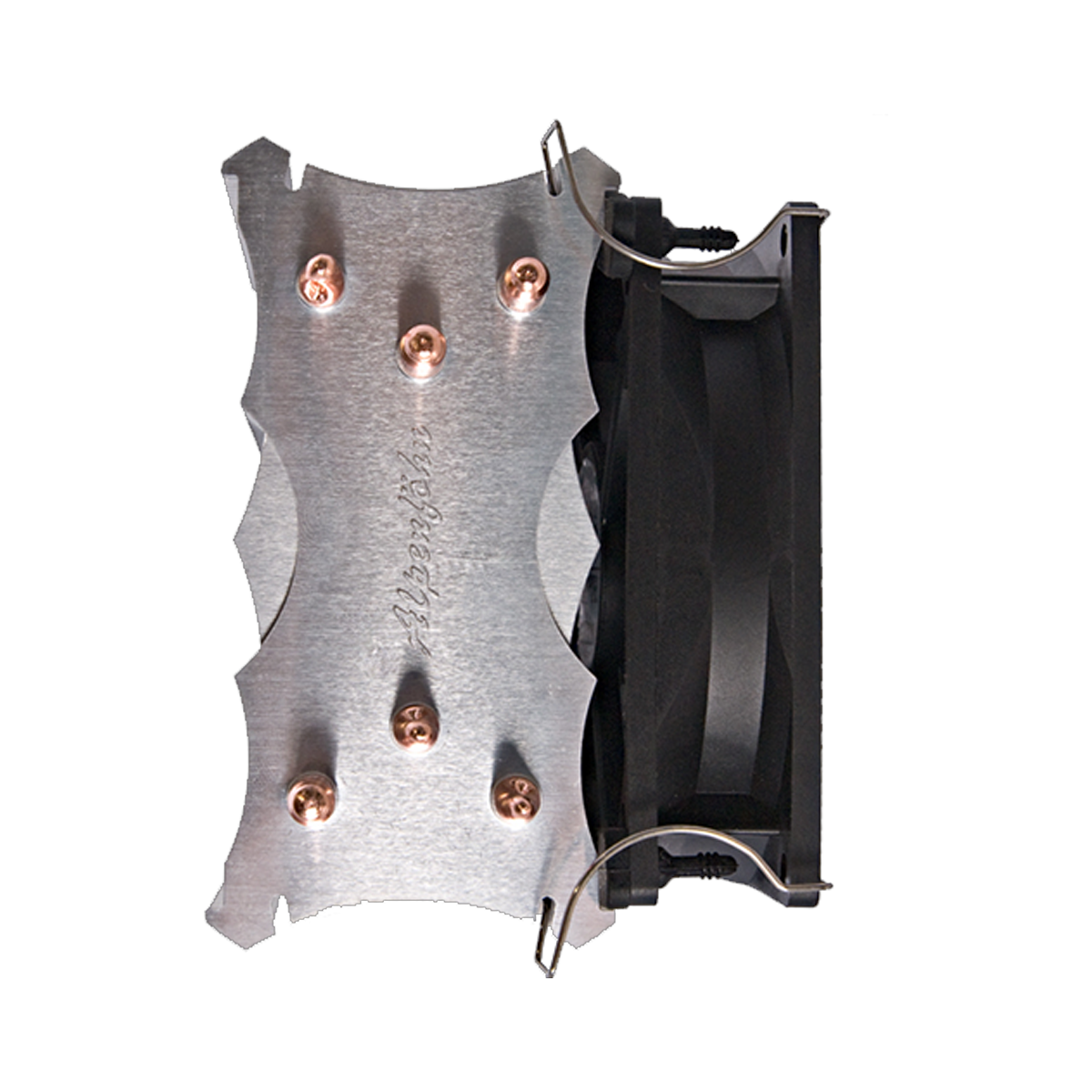
| Cooling | Alpenföhn Sella* (!) |
| Memory | 16 GB DDR4-2133 (2 x 8 GB) Corsair Vengeance LPX |
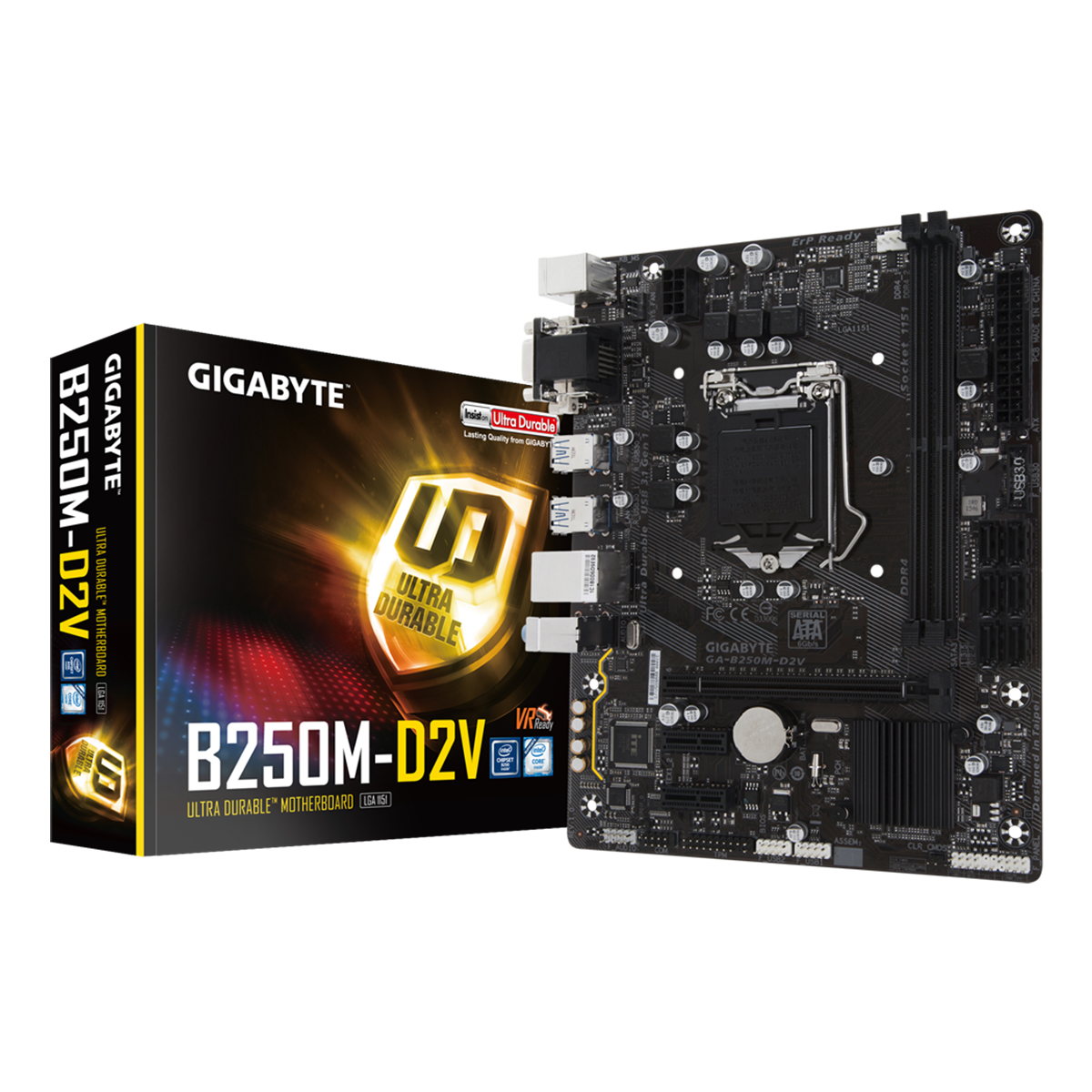
| Mainboard | Gigabyte B250M-D2V (!) |
| Graphics | MSI GeForce GTX 960 4 GB |
You can see immediately where the problems lie:
The most powerful processor of its generation and THIS motherboard?
And THIS cooler? Why is the Memory so SLOW…?
Inventory:
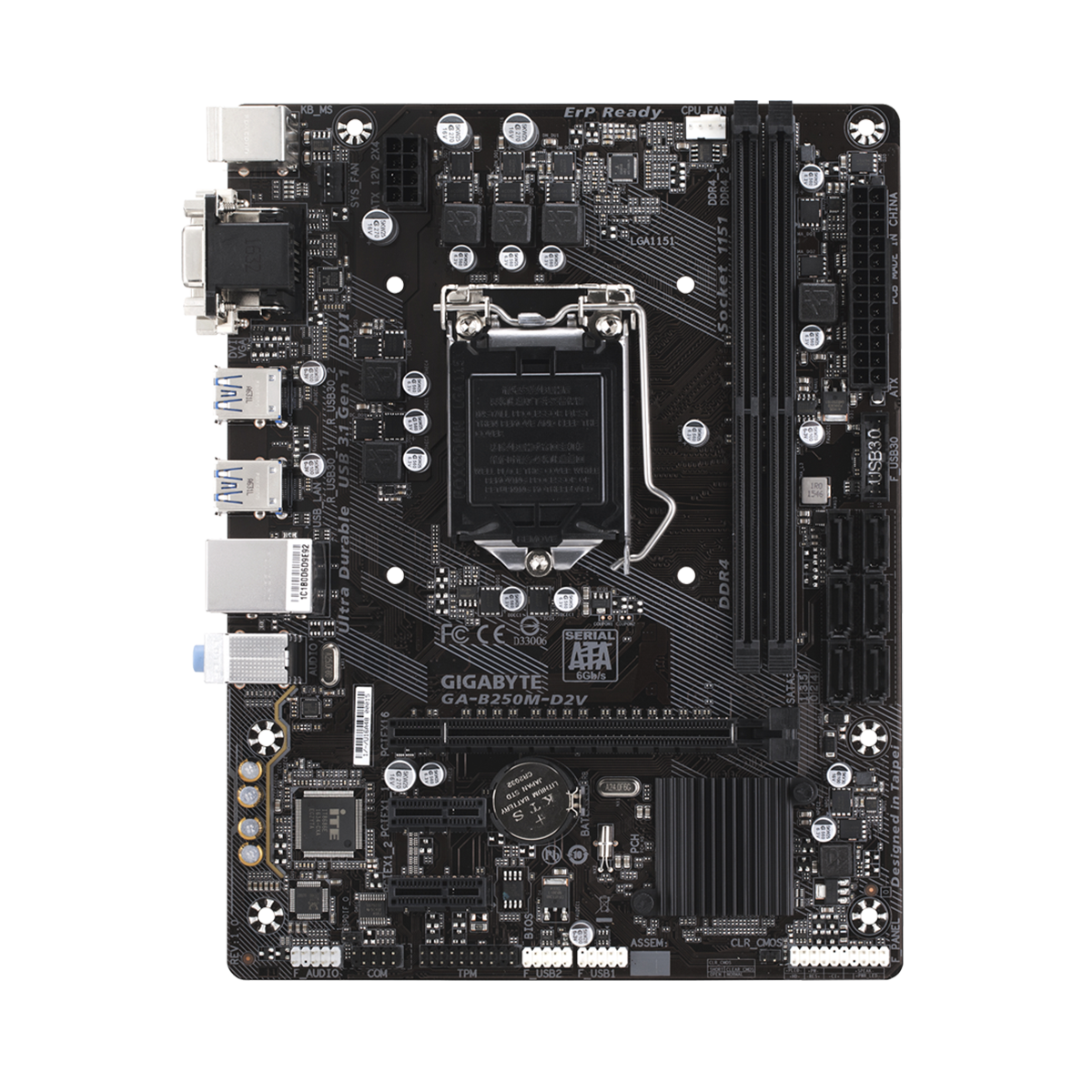
Kaby Lake – Theoretically, it could even handle PCIe 3.0 x4 NVMe SSDs without any detours, which would generate an enormous speed boost – this was completely neglected here.
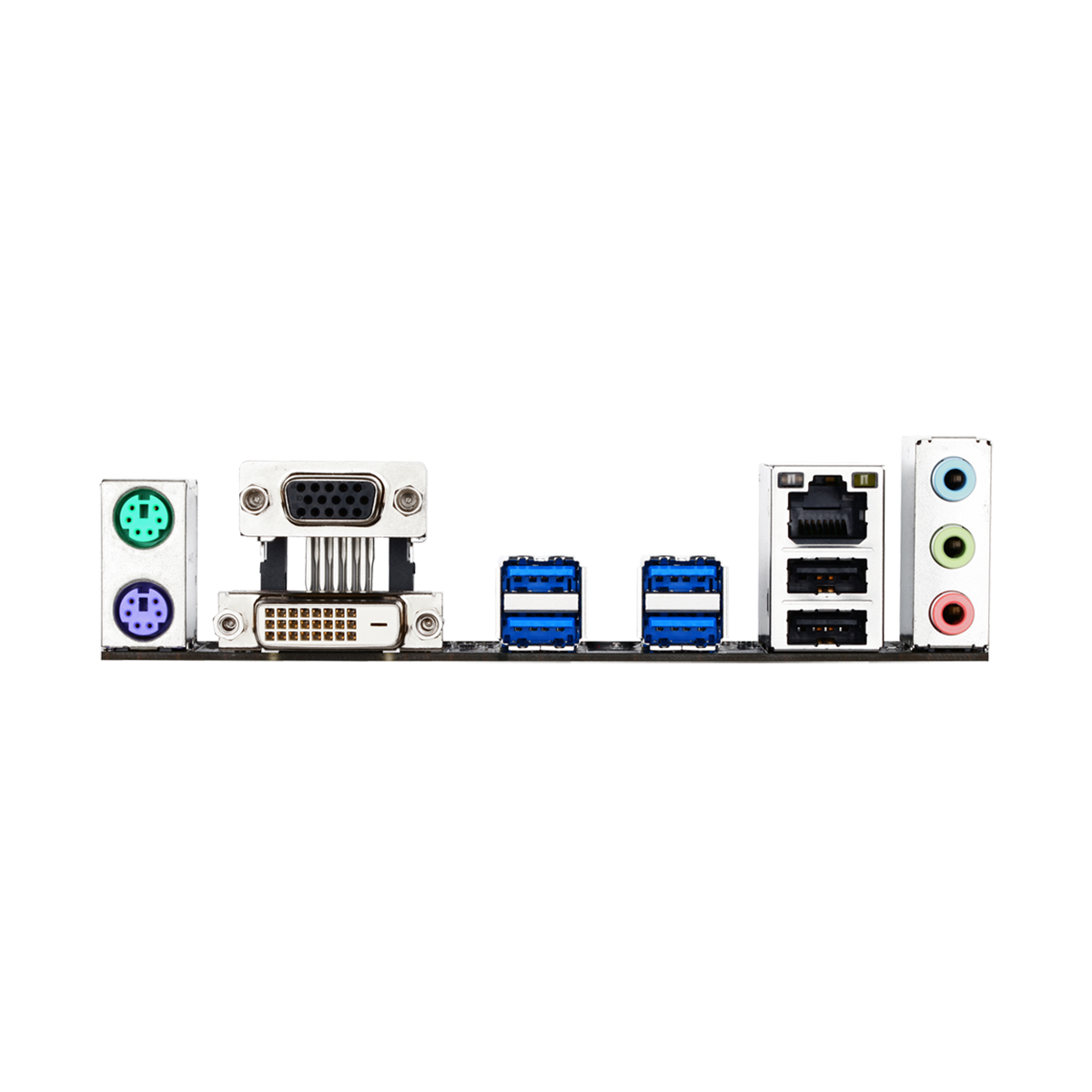
The connection options are also far from flexible or numerous; this is a low-cost board for office PCs, not for an i7-7700K:
 ⧉ Gigabyte
 ⧉ Gigabyte
 ⧉ Gigabyte
The VRMs on this board cannot supply the i7-7700K for more than 5 minutes at full load, even without AVX or AVX2, before they throttle due to overheating (there aren’t even small passive heat sinks) and downclock the processor. This motherboard is simply completely unsuitable for a gaming PC, which is where it came from, or for what is yet to come.
In addition, I’m generally not a fan of Micro-ATX, so if I’m going to use it, then either really compact – that would be Mini-ITX – or proper, which would be ATX or even E-ATX.
Micro-ATX is a cost-saving compromise, which isn’t my thing.
I would also prefer four RAM slots instead of two, even though more than two are usually harder to overclock with CPUs with dual-channel memory controllers. At the end of a piece of hardware’s life, more RAM capacity is actually always more important than clock speed.
Cooling?
The processor cooler is designed for a maximum TDP of 130 watts, which I consider excessive.
The i7-7700K is specified with a TDP of 91 watts – on the Windows 10 desktop, the fan speed constantly fluctuates up and down with every little clock boost. Very annoying. At full load, the fan of this cooler, which measures only 92mm, also becomes increasingly loud. For a smaller i3 or i5 processor of this or the previous generation, this would be a well-suited cooler, but not for the top model with these aggressive clock speeds.
 ⧉ Alpenföhn
 ⧉ Alpenföhn
 ⧉ Alpenföhn
I continued to use the components separately from each other.
The motherboard now features a much more suitable i3-6100 Skylake processor, together with this cooler. This resulted in another project that focused on low idle power consumption – the lack of Turbo Boost in the i3-6100 was actually an advantage in this case.
What now?
The i7-7700K is a special processor and has some unique features – after all, Kaby Lake marks the end of an era.
These special features will be discussed in more detail in the course of this project.
An overclocking project is planned with this CPU, but (fortunately) none of the other components shown here will be used.
We will continue with the goal and specifications in the next post.