Since the repairs, maintenance, and improvements, I have driven approximately 8,000 km with the car and have noticed the following things:
- Fuel consumption is quite high, approx. 7-8 liters when running on gasoline and around 10 liters with LPG.
- When running on LPG, the car has better low-end torque, but it runs better at high speeds with gasoline.
- The gas tank gauge is completely unreliable.
- You can tell that nothing is insulated (driving noise).
- To make good progress, you have to drive in a “rev-oriented” manner.
- The brakes continue to work very well.
- The new oil in the engine and transmission is having an effect; the engine runs more smoothly and the transmission shifts more smoothly.
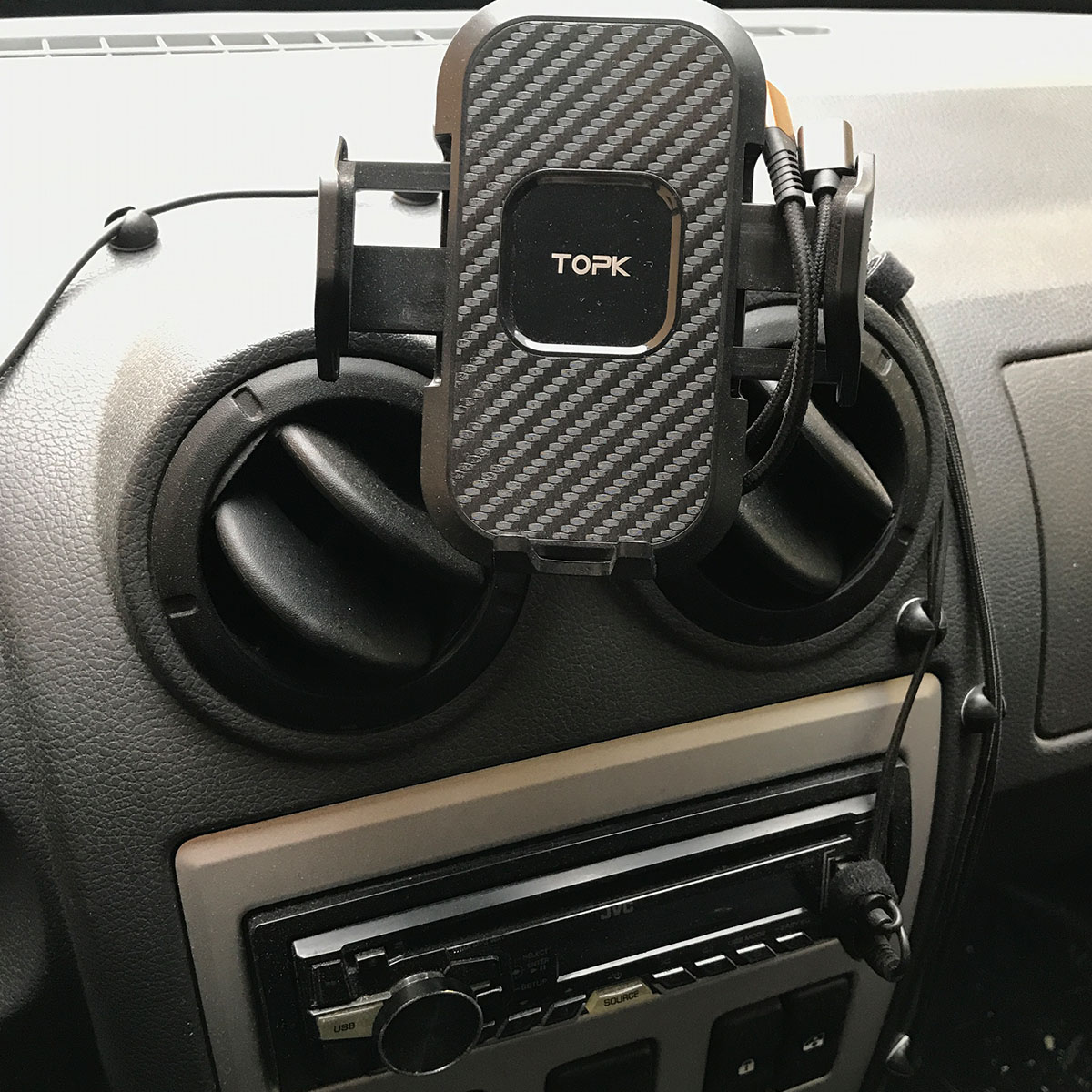
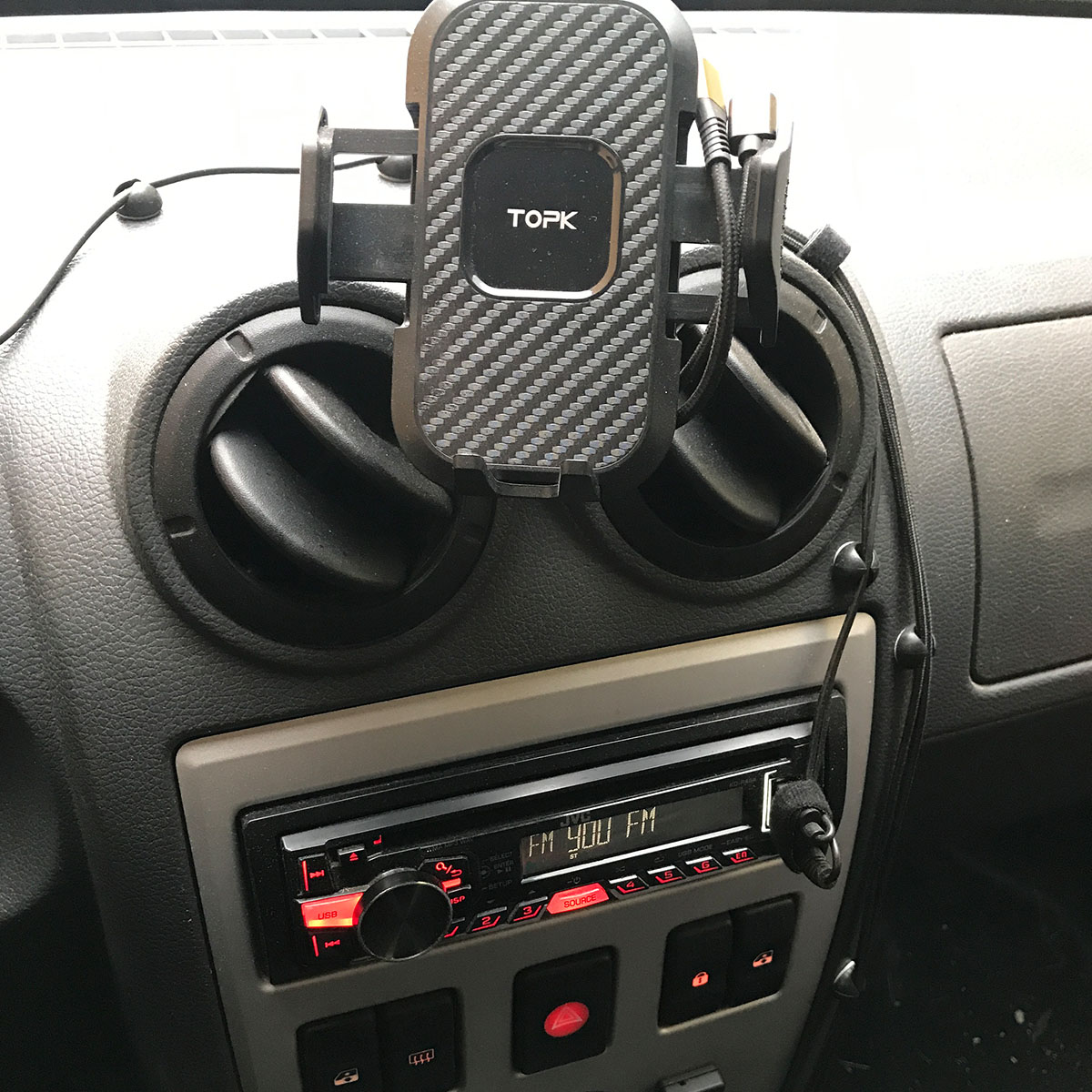
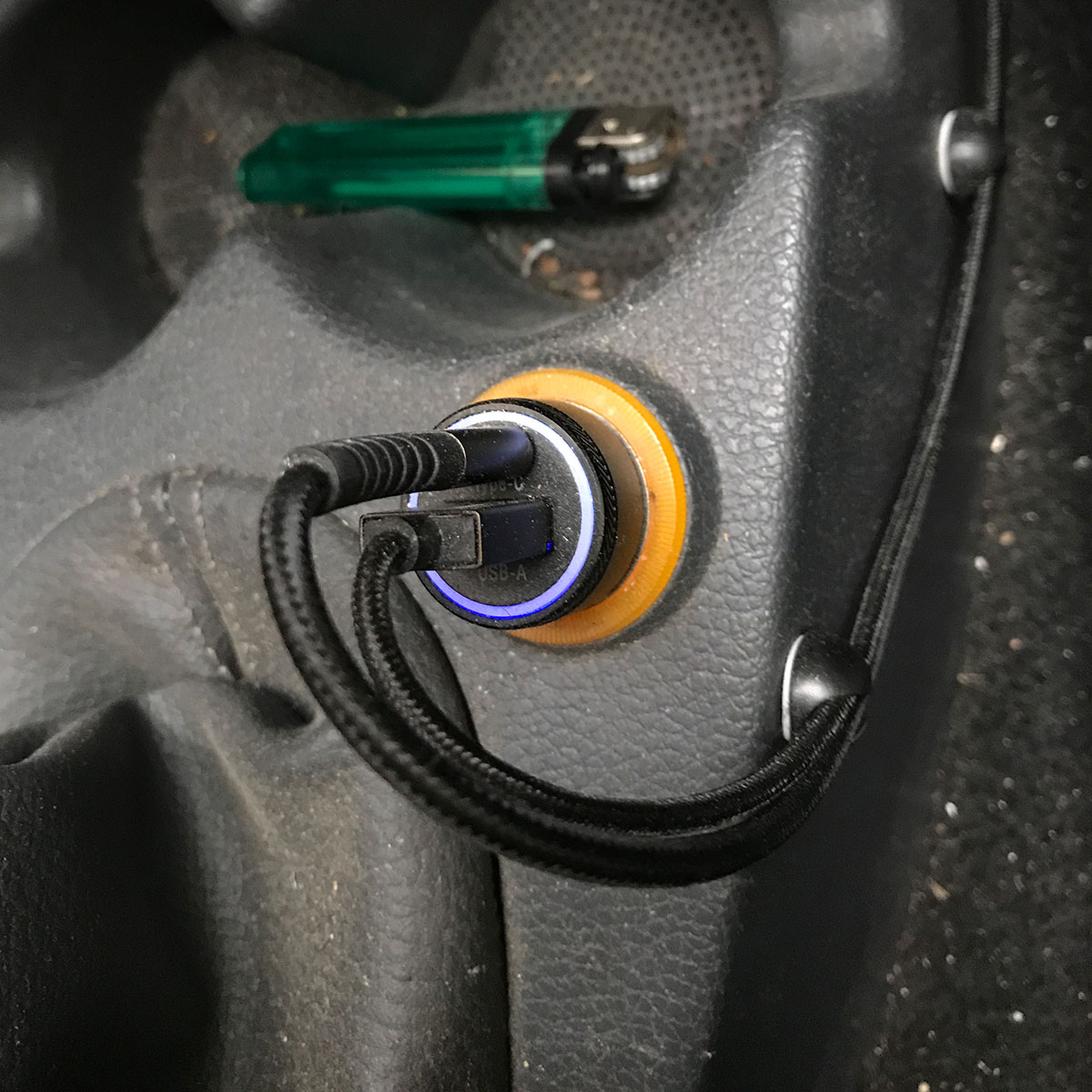
- The retrofitted hands-free solution is a real bonus; Google Maps together with Spotify is simply convenient.
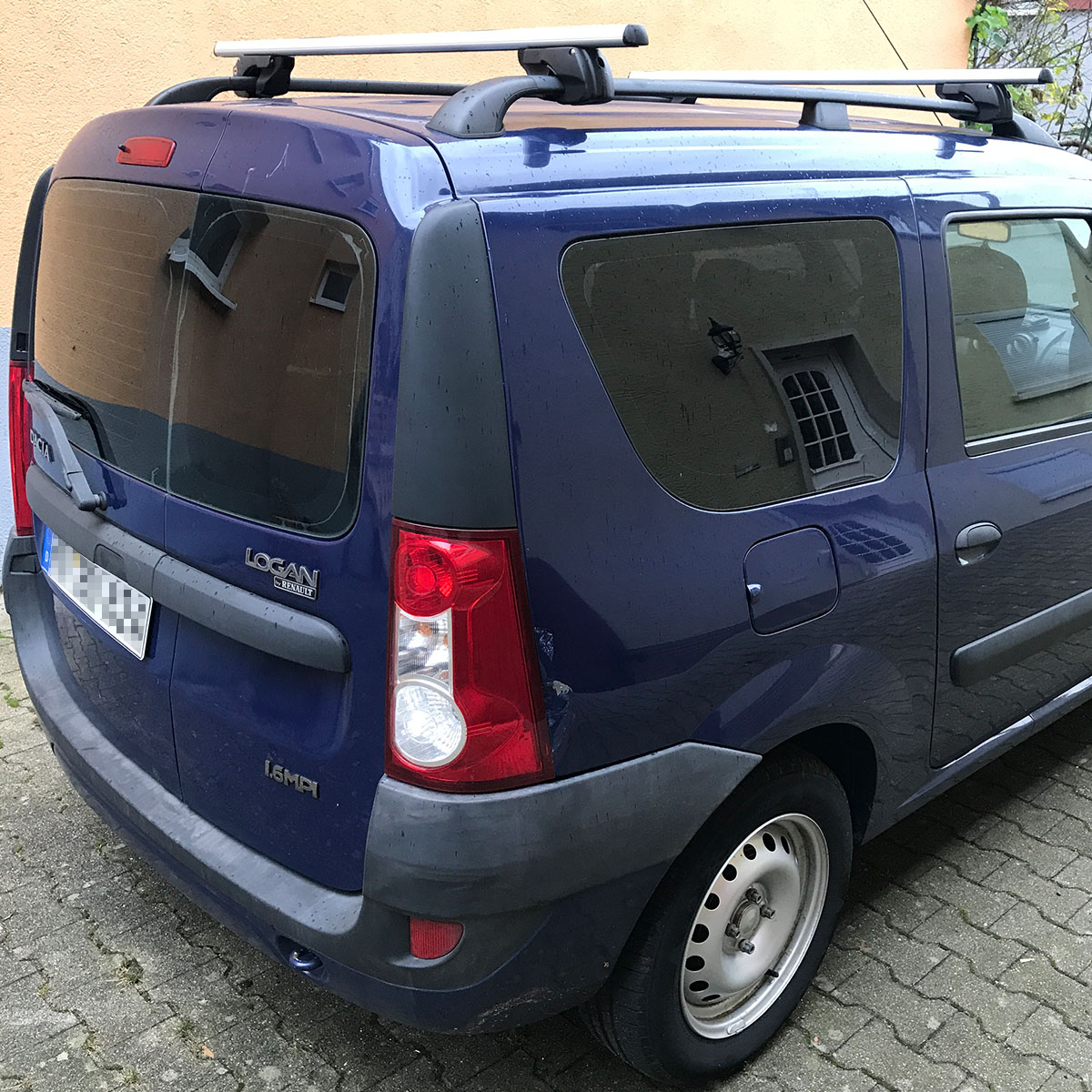
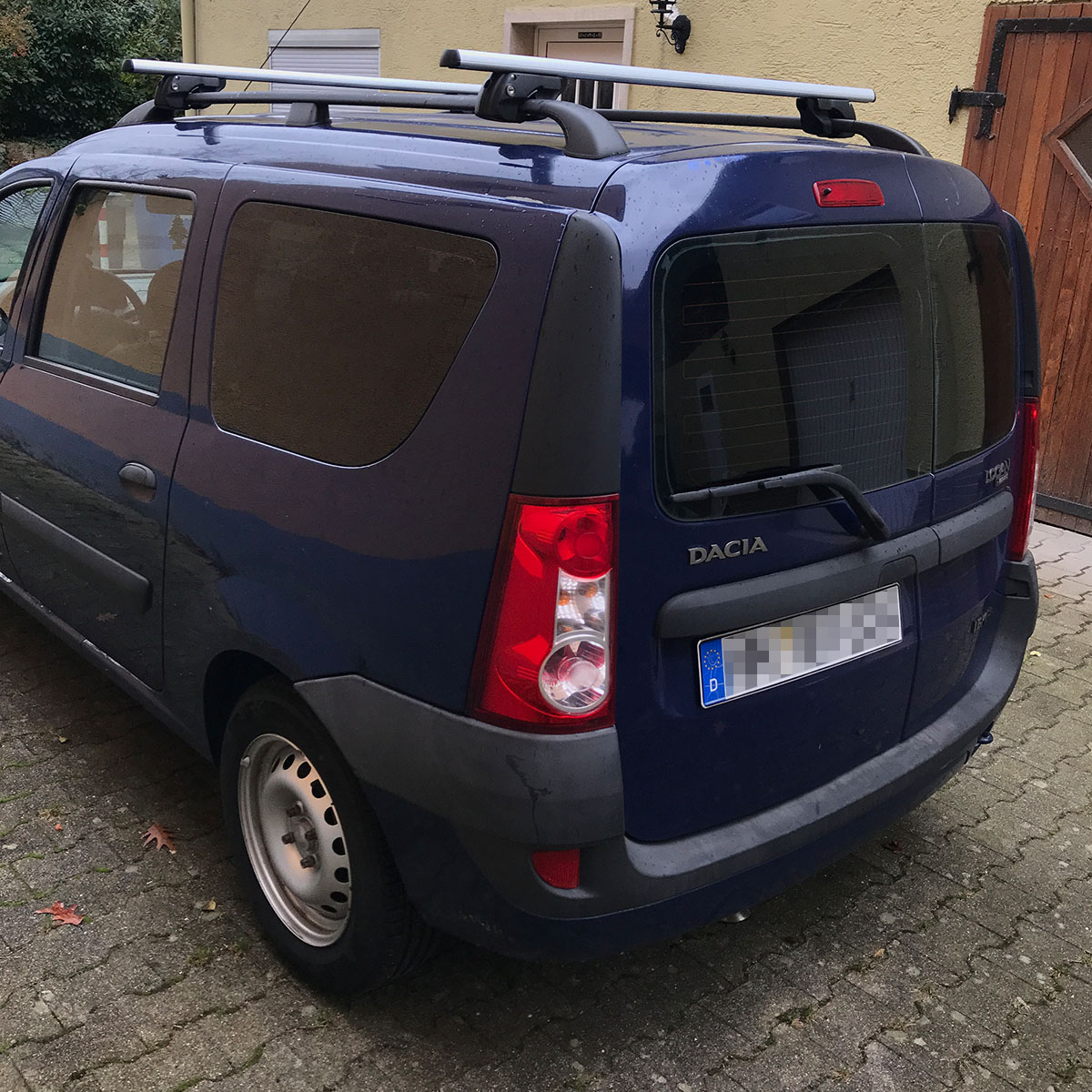
- After initial skepticism about the necessity of a roof rack, it has now been used several times – not everything fits in the car
- The two-piece tailgate is one of the best features of this car; it makes you wonder why vans have one-piece tailgates at all
Consumption and performance
In summary, this is a really useful transporter. However, when heavily loaded, you increasingly notice the low engine power, and merging onto the highway requires full throttle and nerves of steel. It is becoming increasingly clear why the 1.9 TDI and 2.0 TDI engines are and have been by far the most popular engines in the VW Caddy – a turbo diesel pulls very differently in the lower rev range.
The car feels comfortable up to around 120-130 km/h, after which it struggles to make headway. Just about tolerable for a transport vehicle. The registered top speed can also be reached on LPG – but only with homesickness, beer trucks and, above all, downhill.
Initially, I wanted to retrofit a trailer coupling*, but today I’m glad I didn’t. Firstly, I own a powerful, four-wheel-drive turbo diesel towing vehicle, and secondly, it would have been torture for the Dacia, which still has its original clutch. When the air conditioning is running, you can clearly notice the difference in performance and increased fuel consumption. When switched on while idling, it even increases the idle speed, and the magnetic clutch causes a noticeable jolt through the drivetrain.
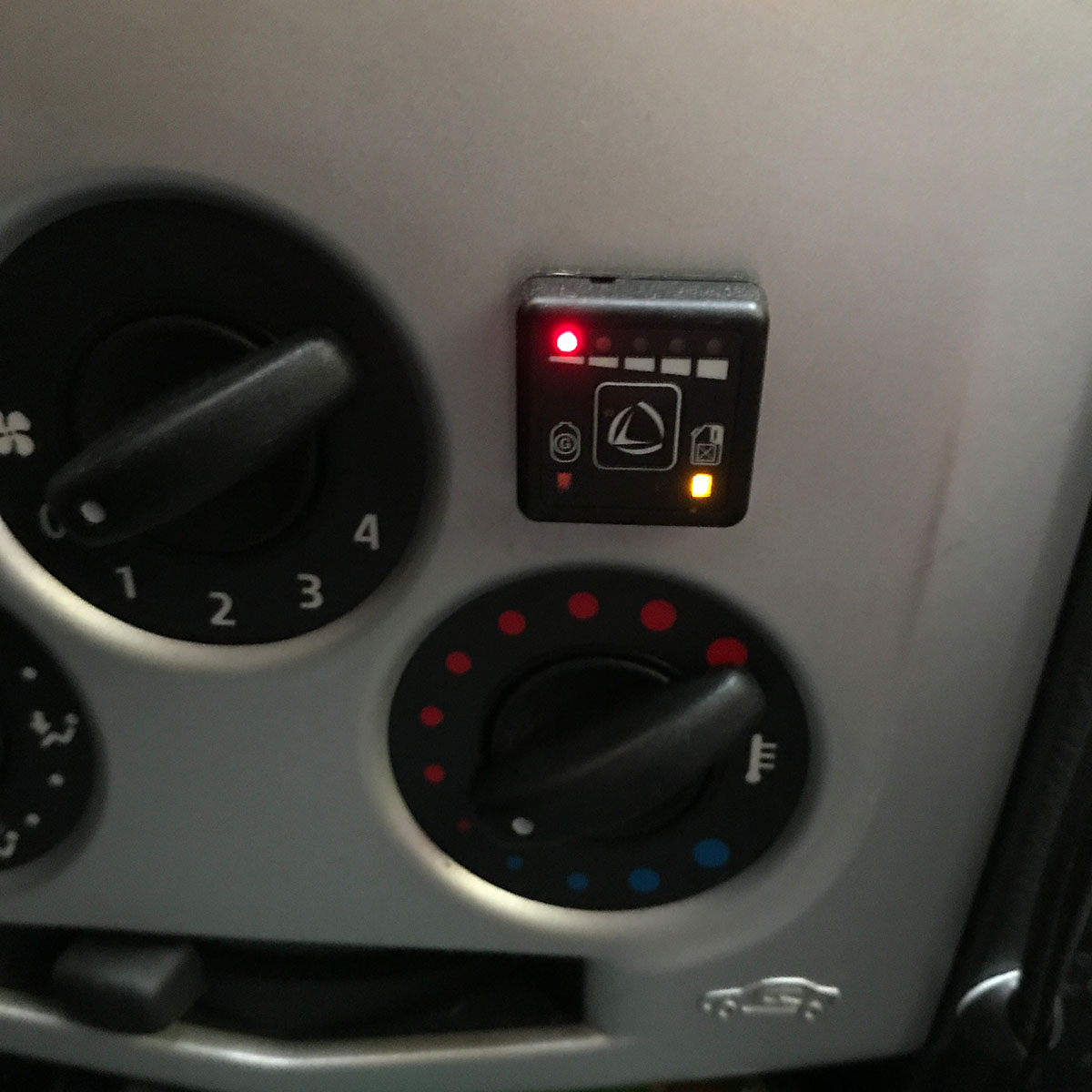
It’s still really good to be able to drive on either gasoline or LPG, or on both for really long ranges. Assuming average consumption of 9 liters per 100 km for LPG and 7.5 liters per 100 km for gasoline, you can travel ~460 kilometers on LPG and another ~650 kilometers on gasoline, which adds up to an impressive 1110 kilometers – in my experience, this is also roughly in line with reality. On the highway, consumption is of course even lower. At a good 100 km/h and over long distances, it is possible to cover 1200-1300 kilometers with both tanks.
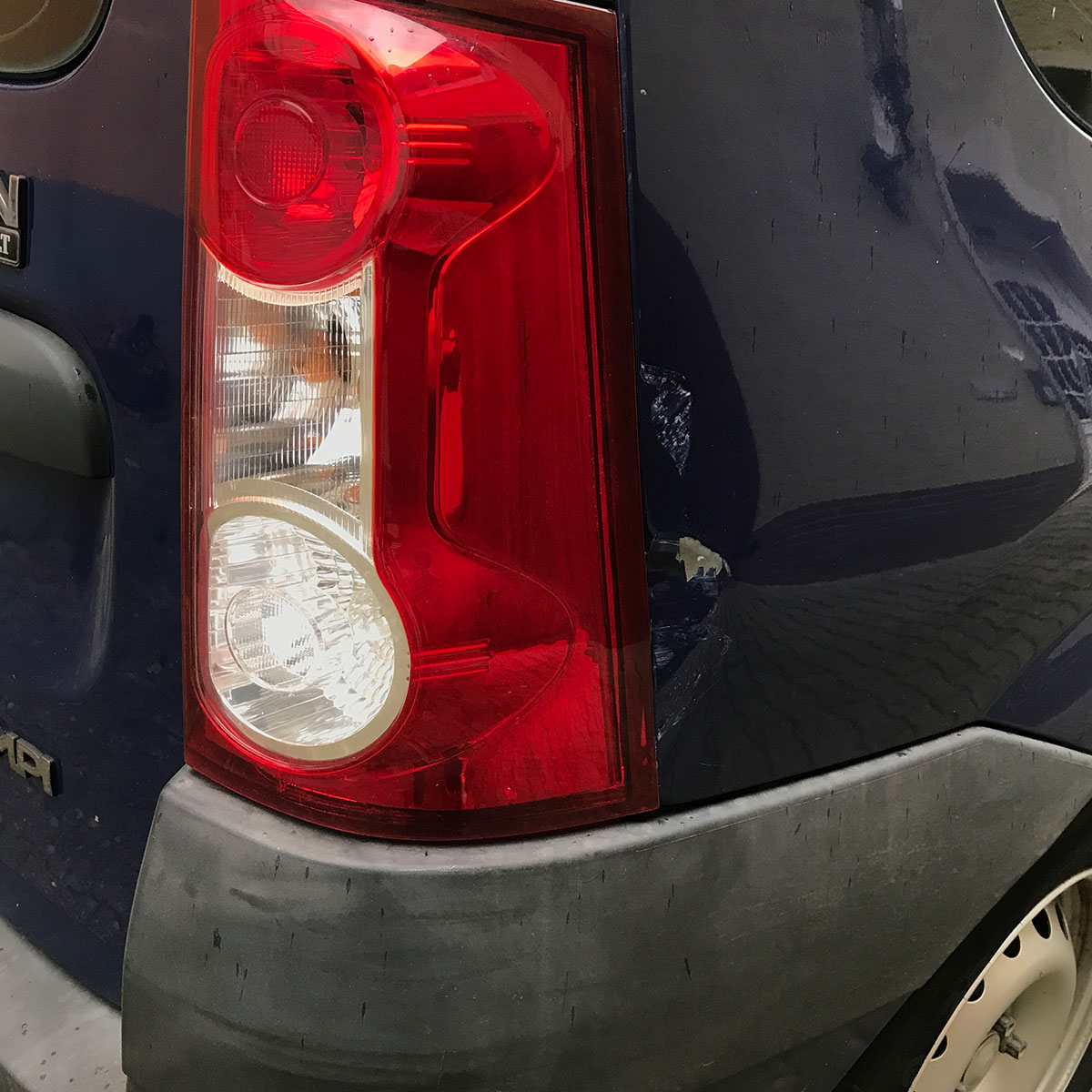
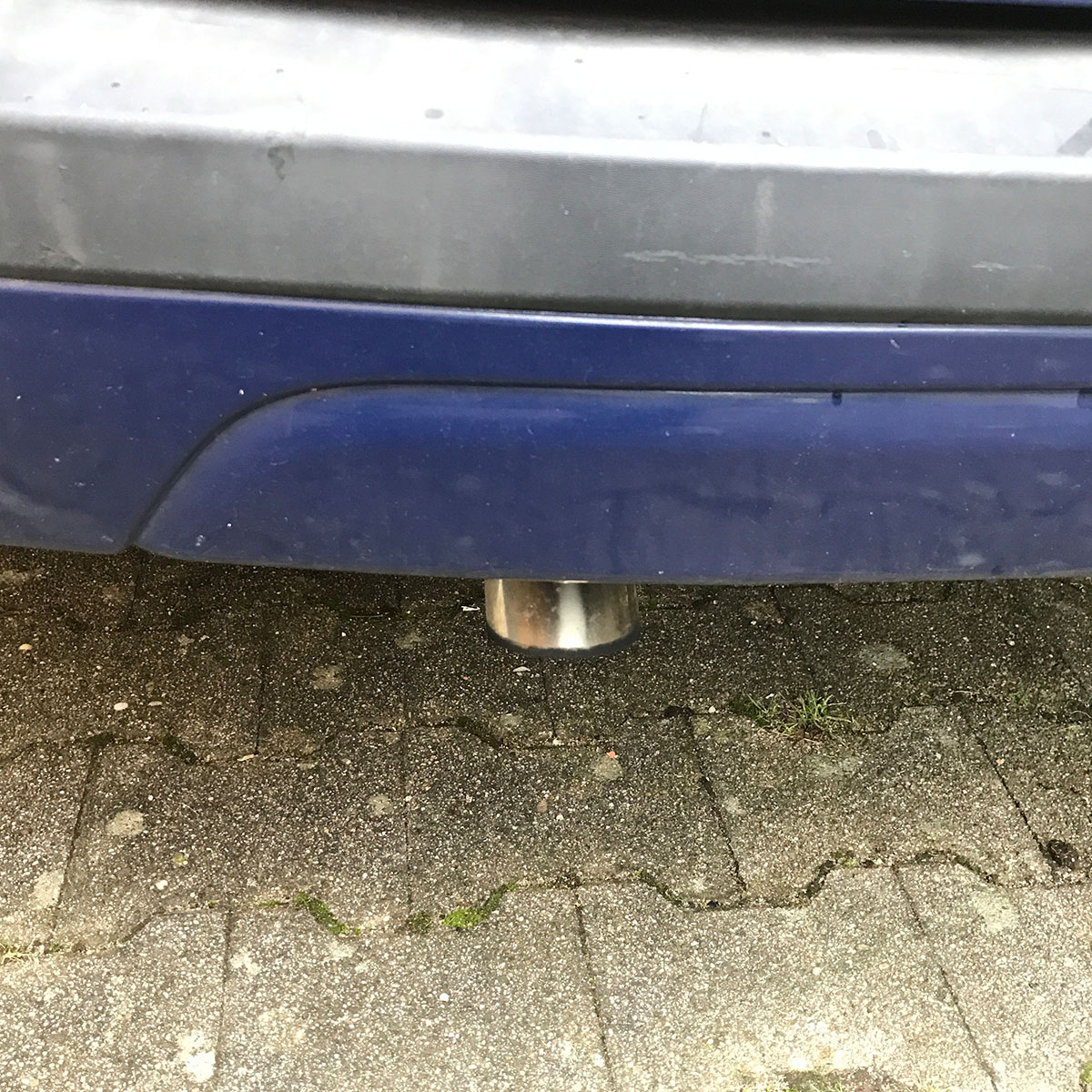
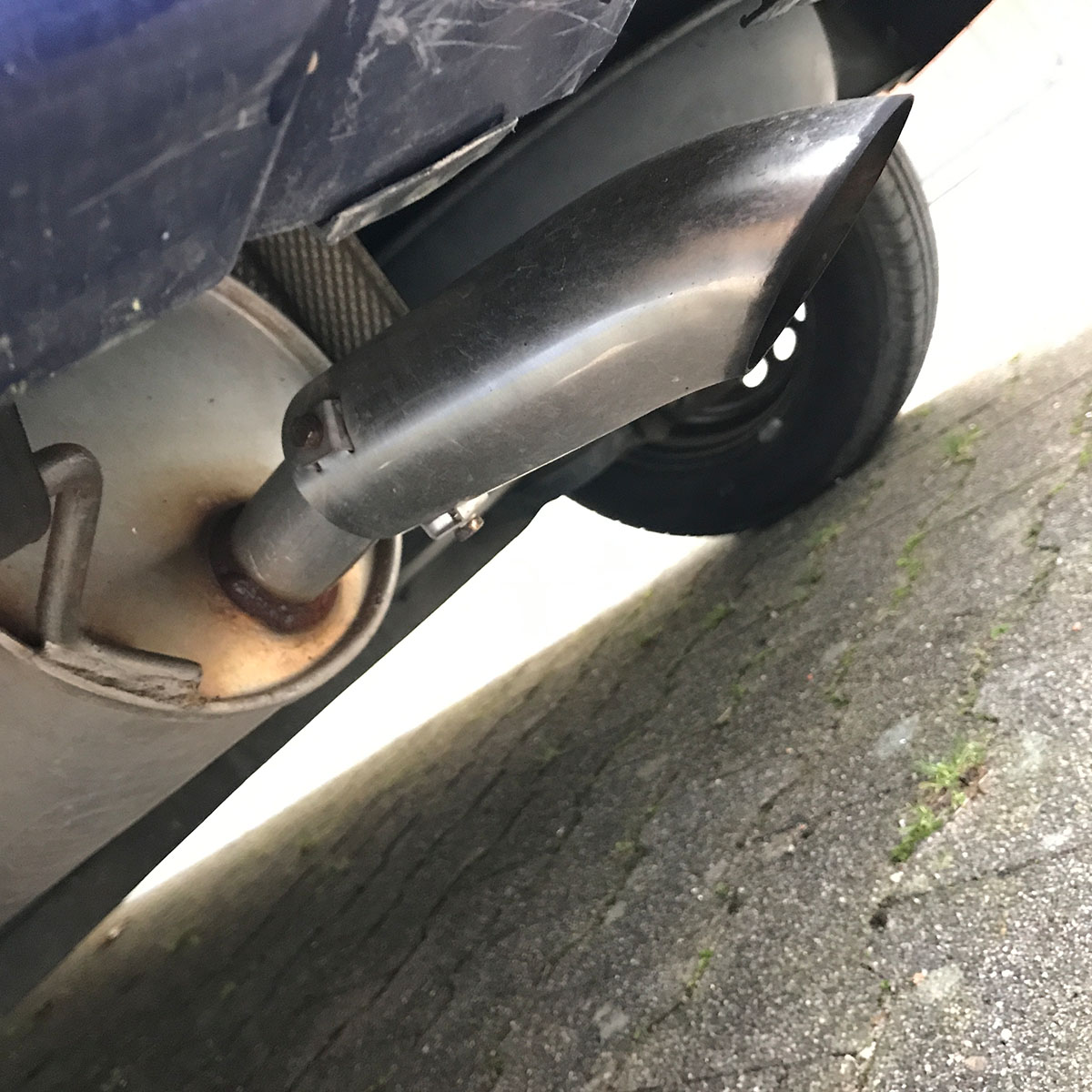
Finally, here are a few photos showing the current state of affairs:
Addendum August 2025:
In the first round, the general inspection at TÜV Süd failed due to a narrowly failed ASU. It turned out that the rear silencer was not connected tightly to the rest of the exhaust as intended, causing gases to escape incorrectly and the target lambda value not to be reached.
After additional sealing (more welding), the sticker was then awarded on the second attempt and the Dacia now has TÜV approval until August 2027. It should be noted that, in addition to the general inspection every two years, this LPG vehicle also requires a gas inspection, which means that the general inspection costs almost €200.