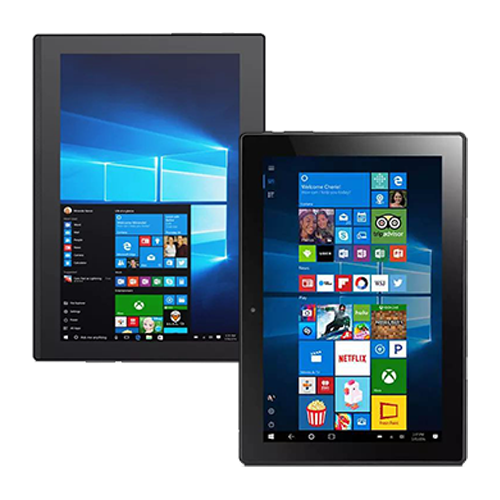
How could it be otherwise when you handle a lot of hardware? Particularly low-priced devices tend to end up sooner rather than later at their final destination—with me. […]
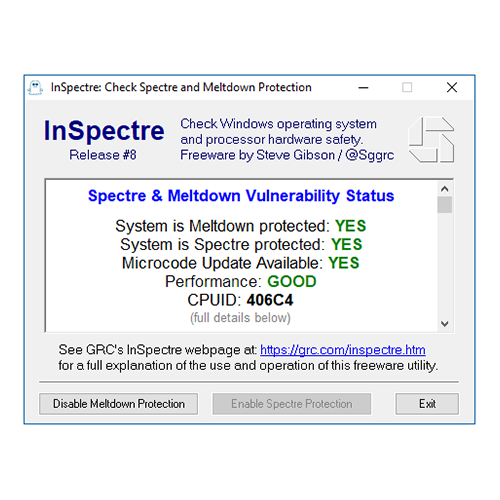
Spectre and Meltdown – A Blast from the Past
Spectre and Meltdown are two security vulnerabilities in processors that were discovered some time ago, in 2017-2018. There are two variants of Spectre: CVE-2017-5753 (bounds check bypass, Spectre-V1, […]
TR-Server #2:
The Base
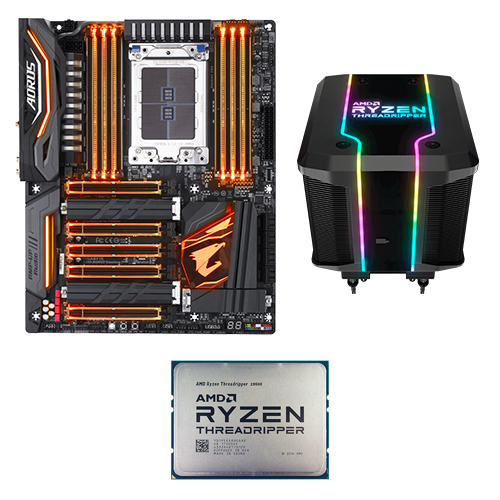
Due to personal preference and a bit of coincidence, I ended up with a first-generation AMD Threadripper, complete with motherboard and cooler. I would describe the purchase price […]
Retro-XP-PC #2:
Four Ivy Bridge Cores?
As previously determined in the RetroBook project, the maximum Intel processor generation officially supported by Windows XP is the third generation, codenamed Ivy Bridge. This represents a slight […]
RetroBook 8540p #3:
Upgrade – CPU
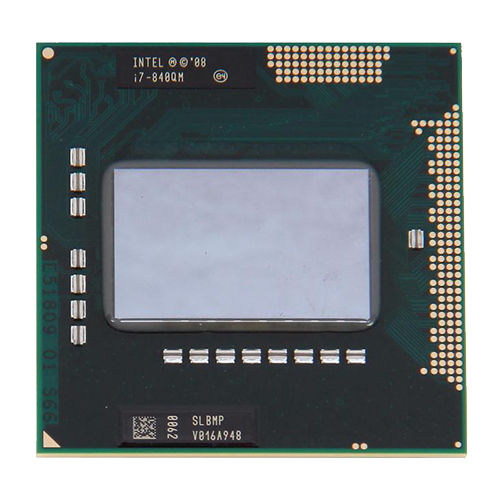
To get an overview of the ordering options that were available at the time and are therefore guaranteed to be compatible, the documents from HP are helpful: The […]
i7-7700K OC #7:
Now the overclocking can finally begin
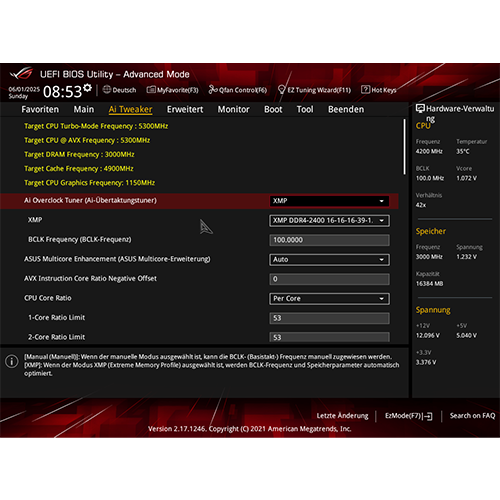
The following procedure has proven to work well, regardless of the newly built system:First, check whether there are any BIOS/UEFI updates available from the motherboard manufacturer, in my […]
i7-7700K OC #3:
Dangerous things first
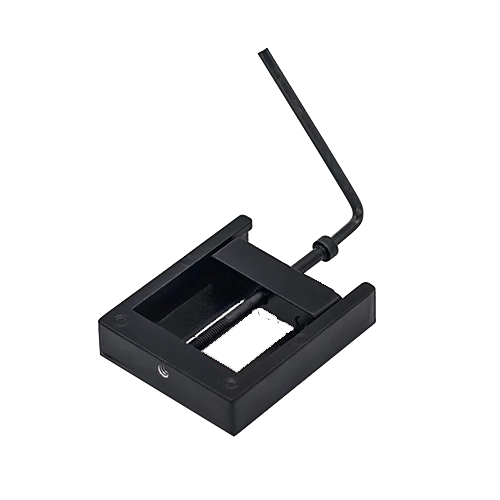
I consider delidding the processor to be one of the most important steps in this project.EKWB describes the whole process well: EKWB (archive.org) Firstly, you generally achieve much […]
i7-7700K OC #2:
Special features and specifications
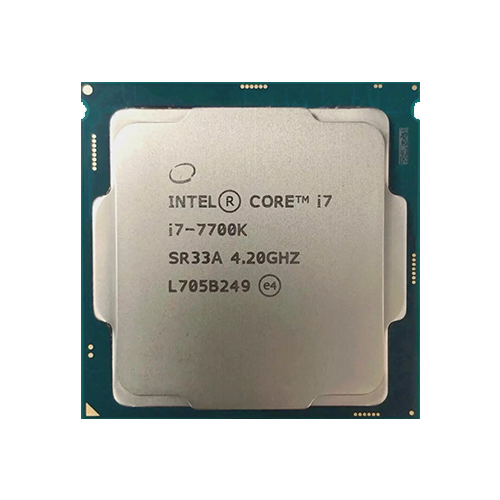
This CPU has several noteworthy features: One major drawback is that Microsoft draws the line at Kaby Lake for Windows 11. Only the 8xxx model series (Coffee Lake) […]
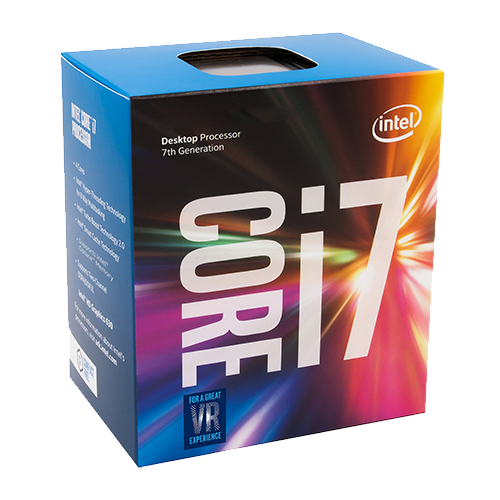
i7-7700K OC #1:
Intels last quad-core flagship
Some time ago, I came across a rather poorly configured system that was ripe for cannibalization: Processor Intel Core i7-7700K 4 Cores, 8 Threads Base clock 4.20 GHz […]