How much can a standard 3 x 1.5 mm² NYM installation cable withstand on a B16A LS? 3680 watts?
The layout of the PCI Express slots on the motherboard allows for extreme configurations, and I decided to take full advantage of this. Additional power supplies for the slots are also available to prevent instability. Multi-GPU operation should also be possible without any problems, even with PCI Express 3.0, which is not officially and stably supported by this generation of chipsets and CPUs. Only a few combinations work without any problems.
Support
The latest graphics cards that are compatible with Windows XP are those from the Maxwell 2.0 generation (Nvidia GeForce GTX 9xx). Officially, the latest card supported by the driver is the GTX 960, which is very unsatisfactory. This would be more than enough for software and games from that era, but something much older would also do the job. However, the goal is to achieve the maximum performance, and this card is far from that.
Fortunately, there is a simple trick to make any card from this generation compatible: driver modification!
Which card?
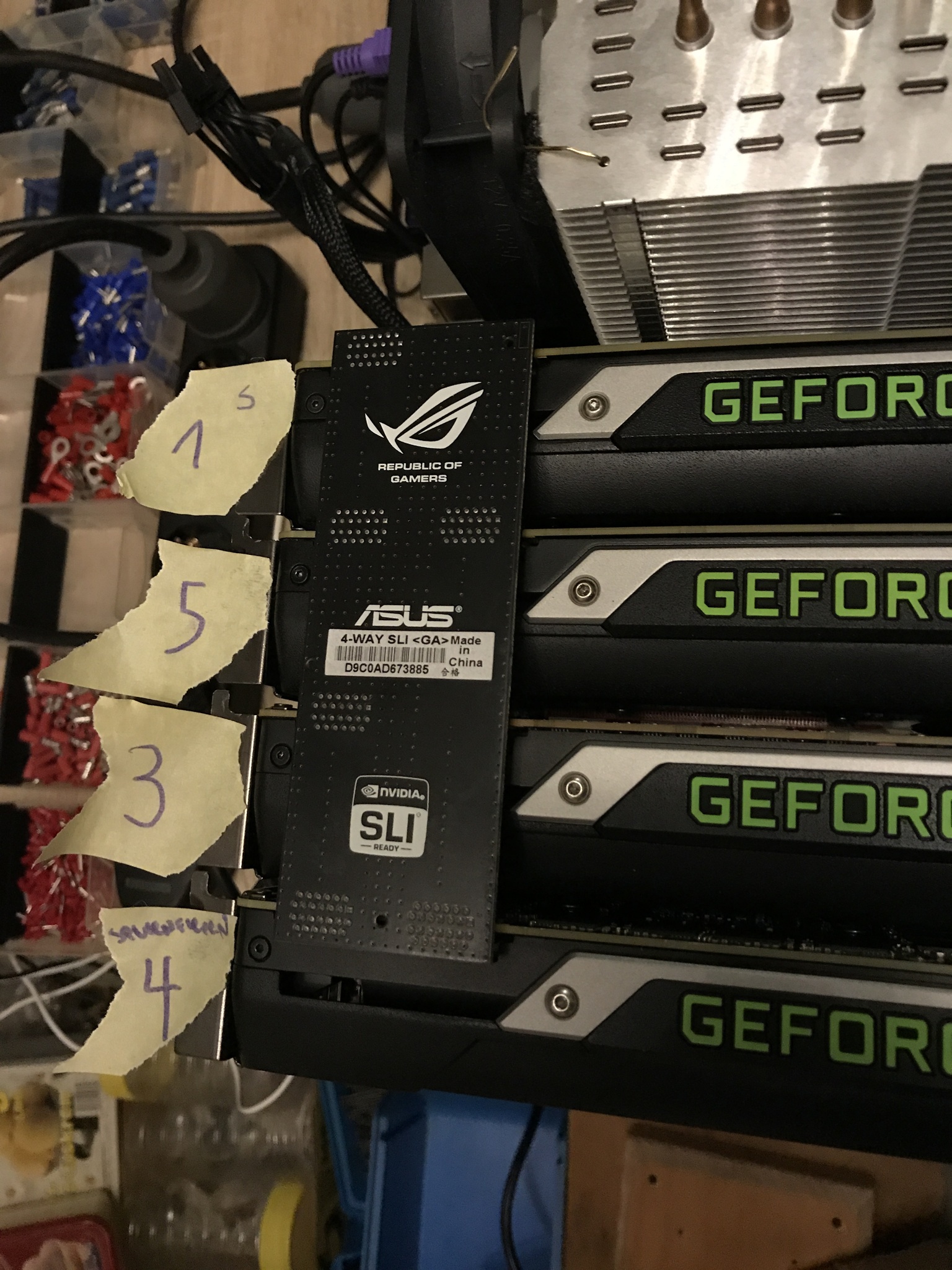
There’s not much room for deliberation here. I wanted the absolute maximum, and that has a name: Quad SLI. The cards can be a maximum of two slots wide, otherwise cooling becomes impossible. Ideally, something designed for such scenarios… but what would that be?
Since the GTX 980 Ti is the most powerful card according to benchmark points for the Maxwell 2.0 architecture, it would look good at first glance. Unfortunately, most cooler designs are very bulky, and a “blower-style” cooler would be preferable due to the limited space. So the next logical step is a…
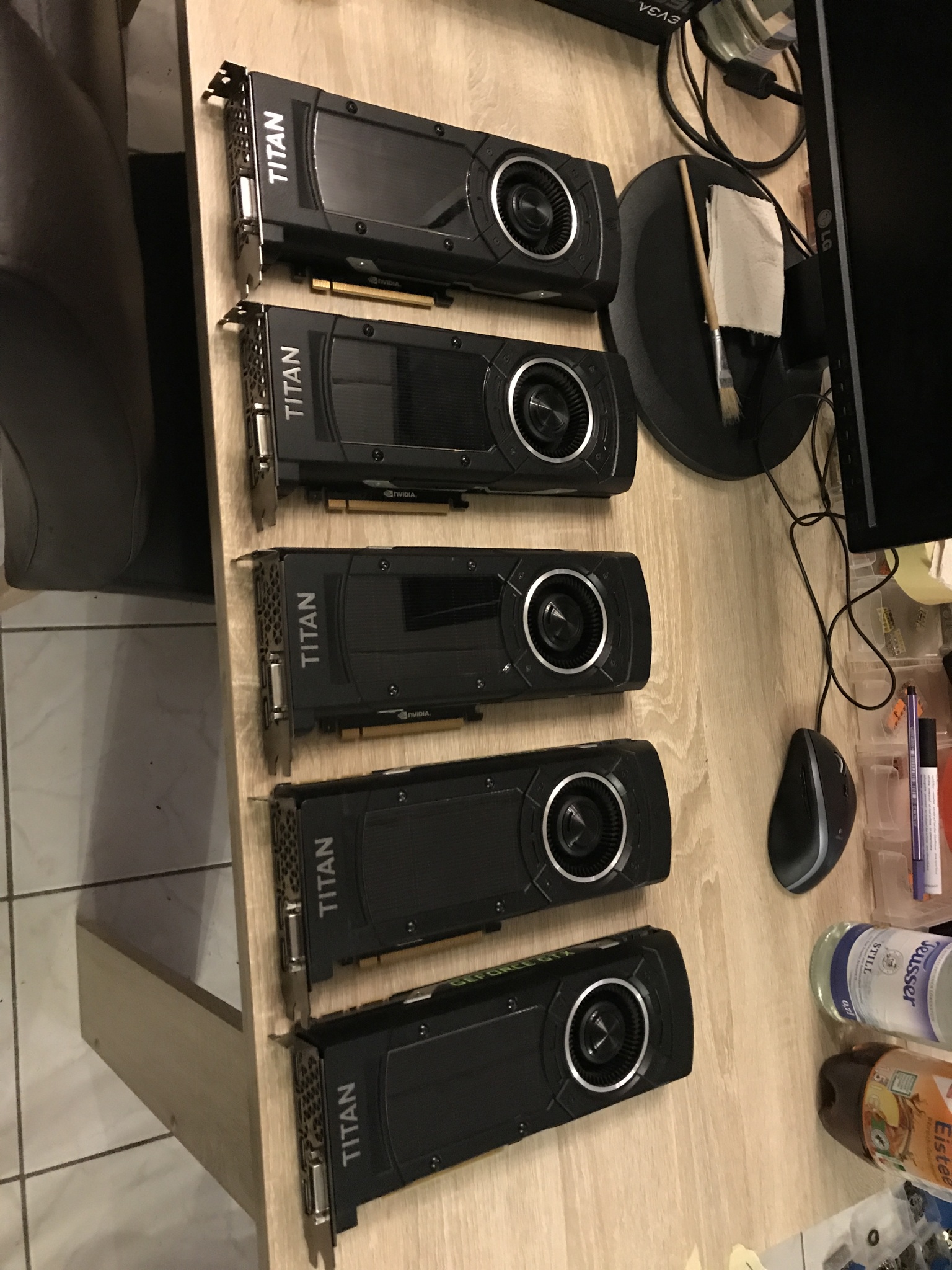
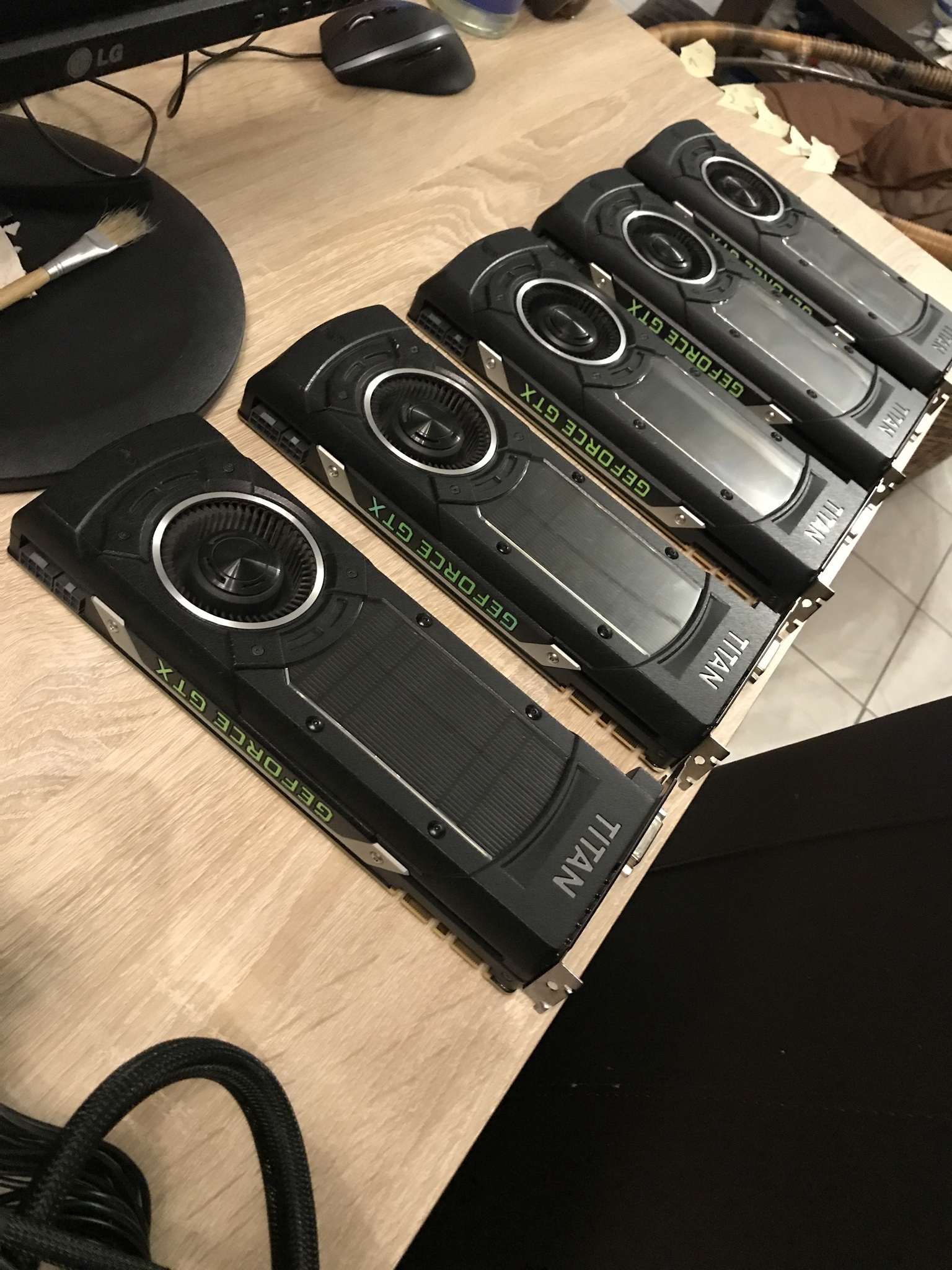
Nvidia GTX TITAN X (Maxwell)!
These cards were really expensive when they were released, but after a long search, I was able to find some second-hand ones at reasonable prices. Reasonable means around €150 each on classified ads. I bought five instead of four so that I would have spares and be able to select the best ones. The extra one is stored as a vGPU in the virtualization server until it is needed elsewhere, where the 12 GB VRAM, which was very large at the time, is a real added value.
The technical data looks even better than that of a GTX 980 Ti:
| Nvidia GeForce GTX 980 Ti | Nvidia GeForce GTX TITAN X | |
|---|---|---|
| Architecture | Maxwell 2.0 | Maxwell 2.0 |
| Chip Lithography | GM200-310-A1 28 nm (TSMC) | GM200-400-A1 28 nm (TSMC) |
| CUDA Cores | 2816 | 3072 |
| TMUs ROPs SMMs | 176 96 22 | 192 96 24 |
| Base clock Boost | 1000 MHz 1076 MHz | 1000 MHz 1089 MHz |
| VRAM Clock | 6 GB GDDR5 7 Gbps | 12 GB GDDR5 7 Gbps |
| Bus Type | 384 Bit, 336.6 GB/s PCI-Express 3.0, 16 Lanes | 384 Bit, 336.6 GB/s PCI-Express 3.0, 16 Lanes |
| TDP | 250 Watts | 250 Watts |
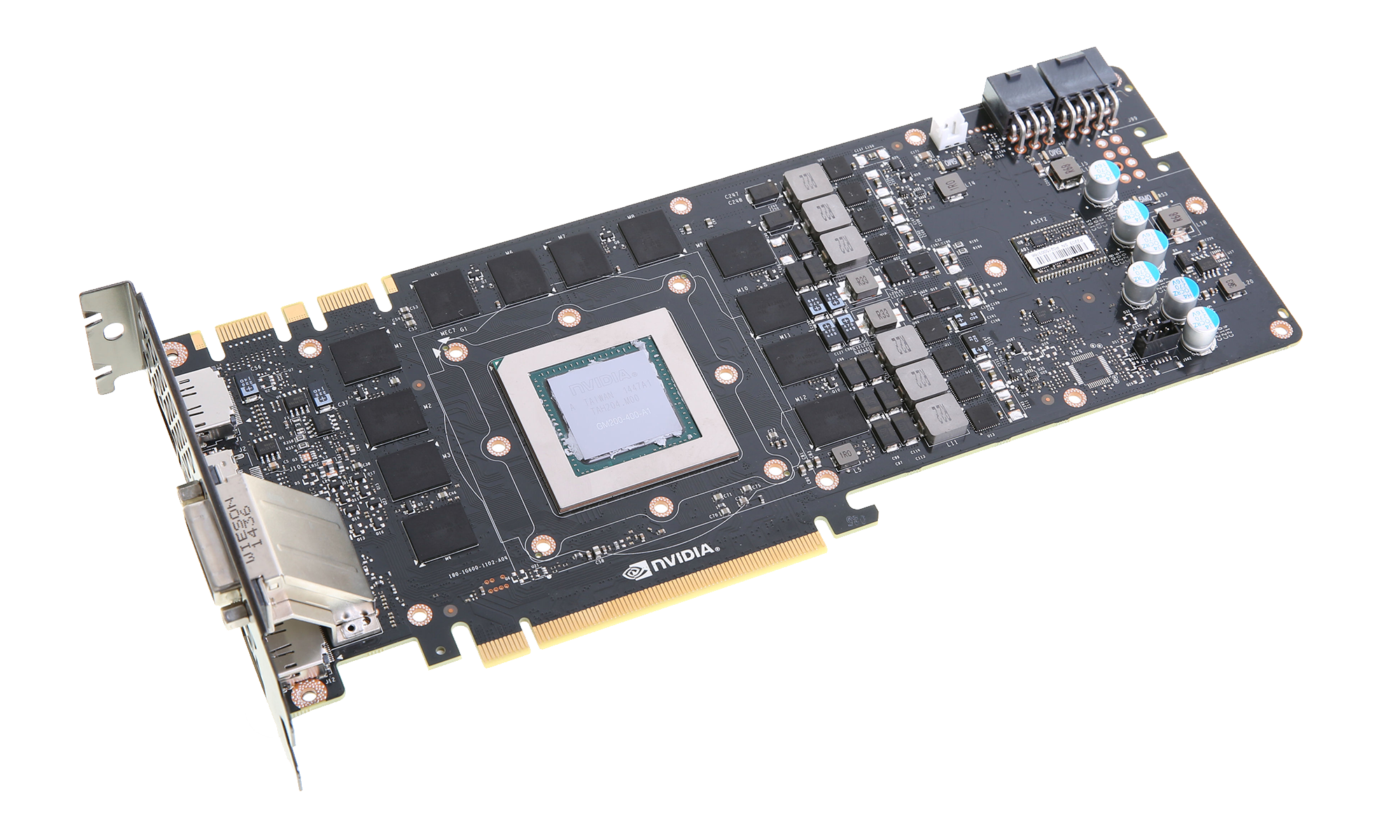
In reality, a GTX 980 Ti with a good cooling design will always be faster than a GTX TITAN X with the original blower cooler. Good cooling makes a big difference. And even if the cooling design is not the most efficient, the choice of materials, the build quality, and the design are simply timelessly good:
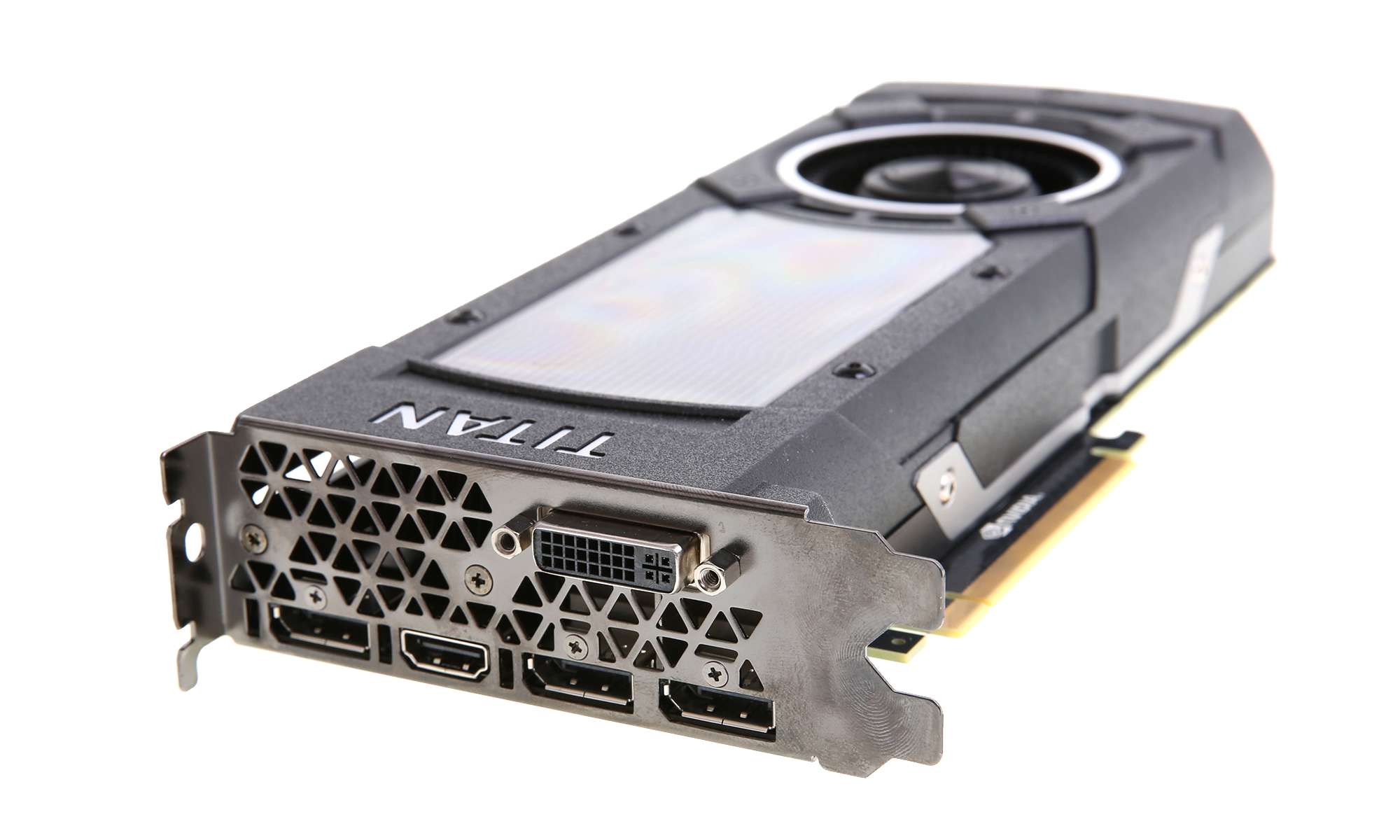 ⧉ Computerbase
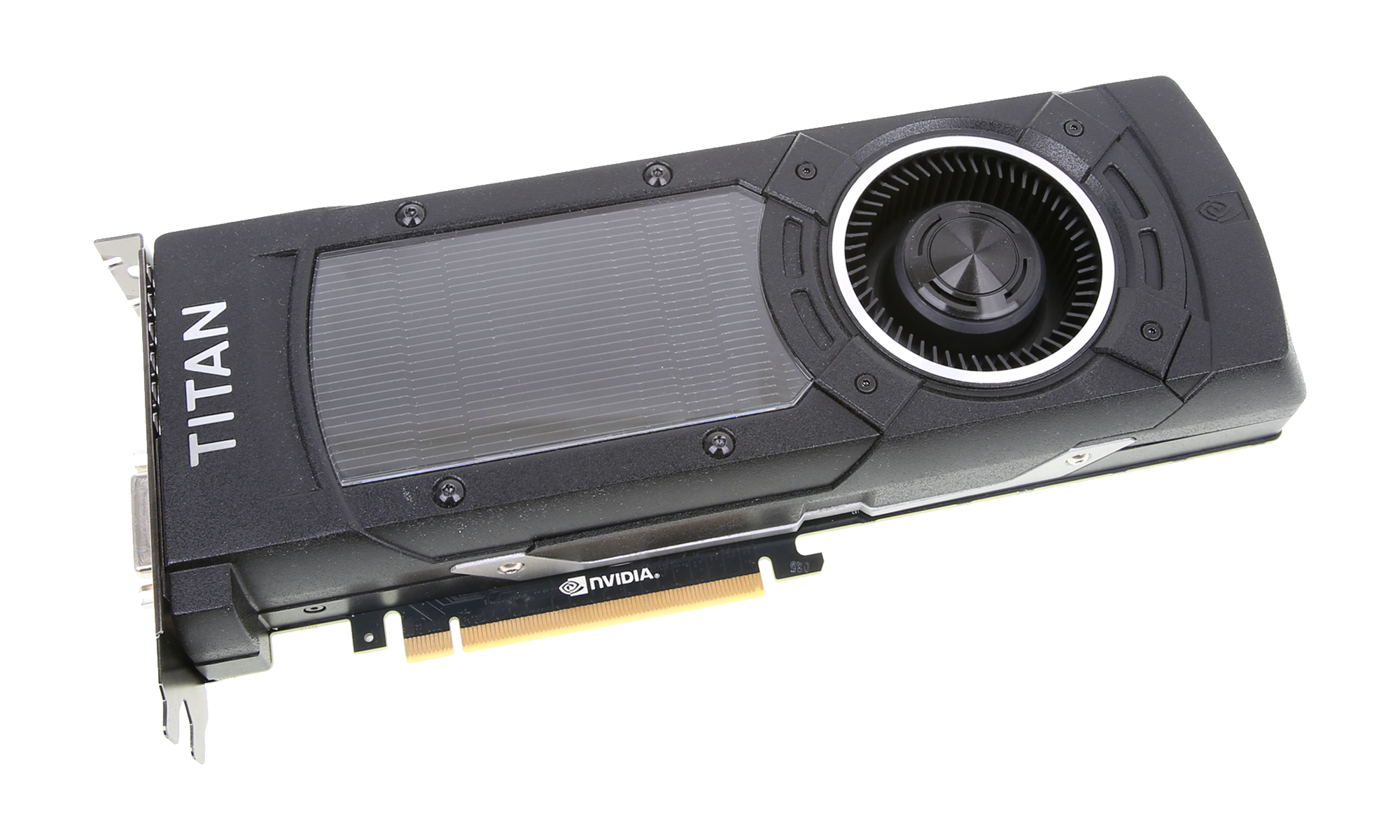 ⧉ Computerbase
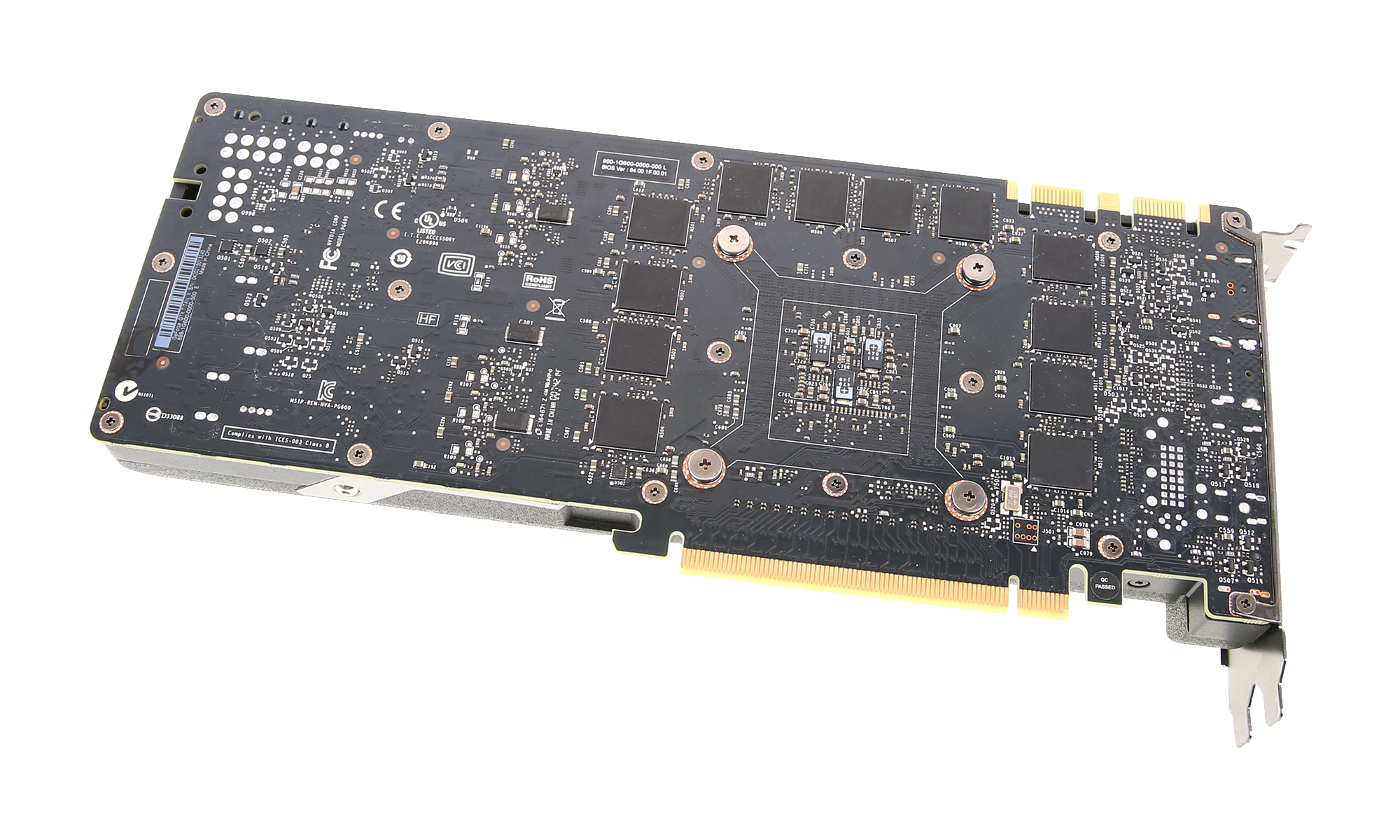 ⧉ Computerbase
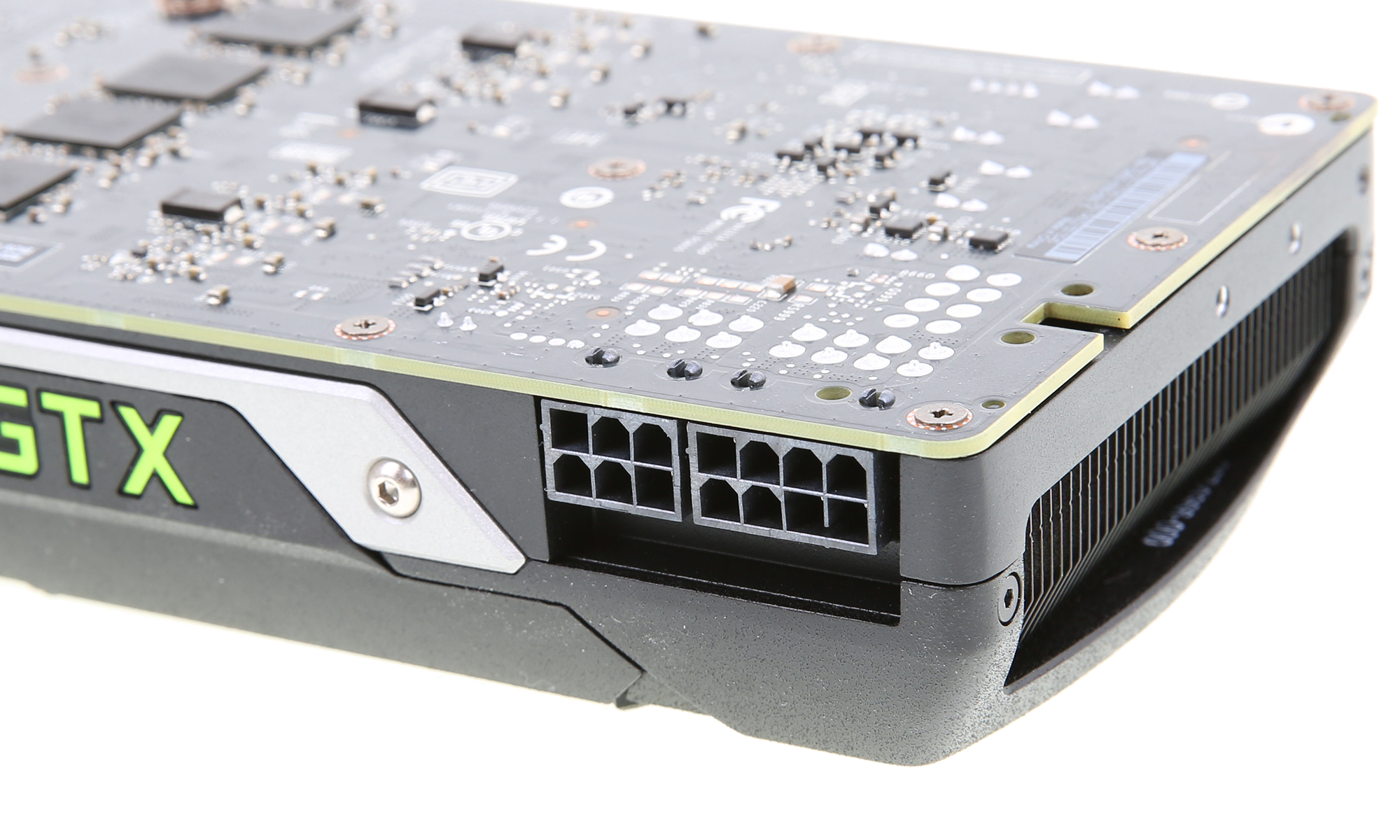 ⧉ Computerbase
 ⧉ Computerbase
 ⧉ Computerbase
Four of these cards in an SLI configuration will require around 1000 watts at 12 volts at their original clock speeds and limits, which is quite a lot.
Maintenance
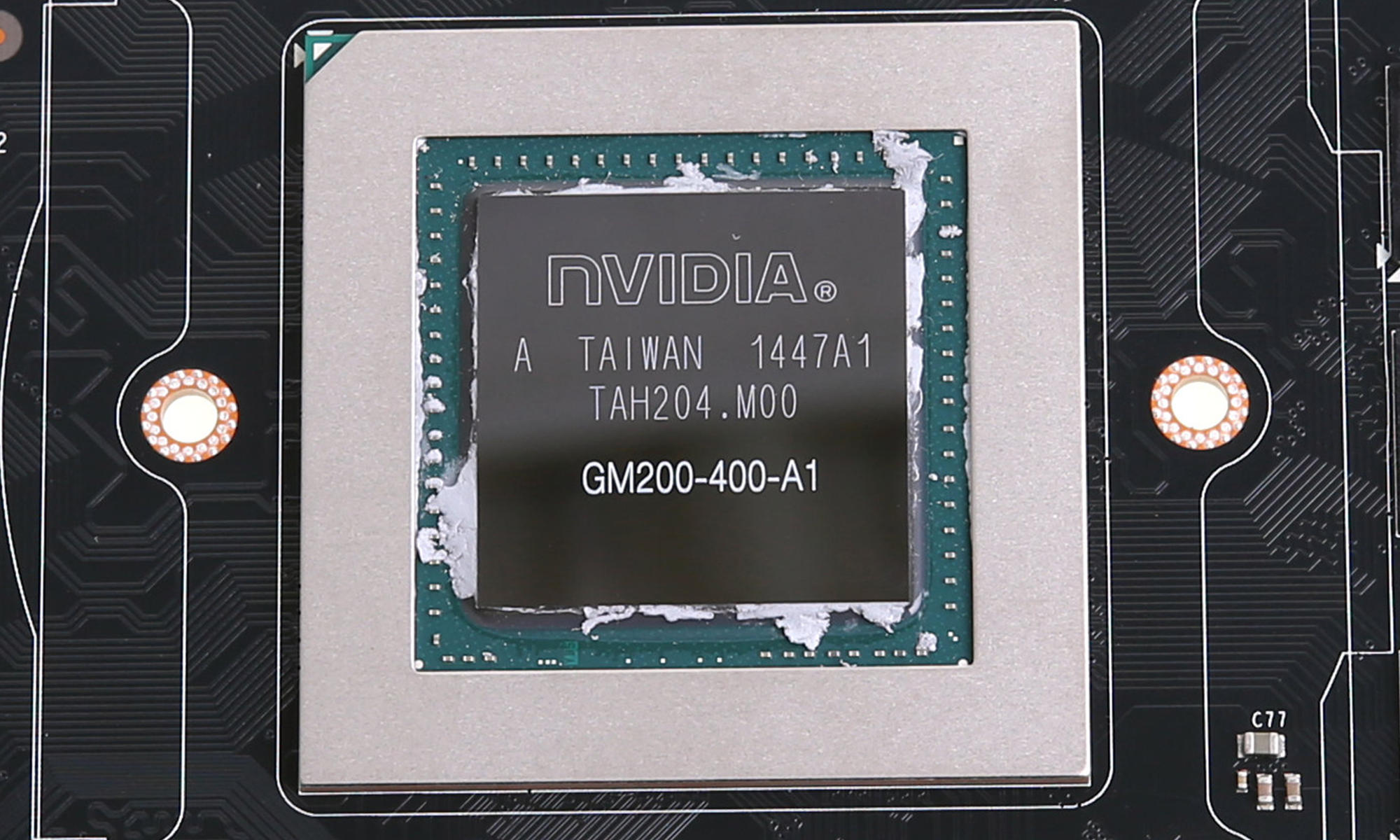
First, I checked all the cards one by one to make sure they were working properly, then carefully took them apart so I could replace the thermal pads* and -paste*. Of course, I cleaned everything thoroughly as well. The built-in “GM200-400-A1” is really huge at 601 mm² when fully expanded.
So far, so good – all cards are running and have been successfully refurbished.