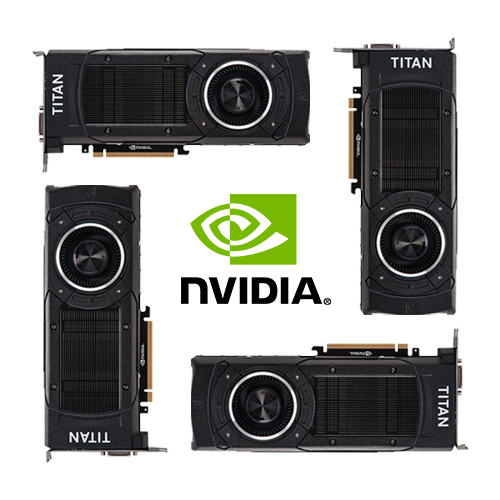
How much can a standard 3 x 1.5 mm² NYM installation cable withstand on a B16A LS? 3680 watts? The layout of the PCI Express slots on the […]

Retro-XP-PC #4:
RAM?
As a 32-bit operating system, Windows XP can only handle a maximum of 4 GB of RAM. So far, so clear – but, similar to the RetroBooks, the […]

Retro-XP-PC #3:
A good Board is crucial
The choice of CPU poses a real problem: the most powerful processor for which the appropriate workstation boards were developed at the time had “only” 6 cores. However, […]
Retro-XP-PC #2:
Four Ivy Bridge Cores?
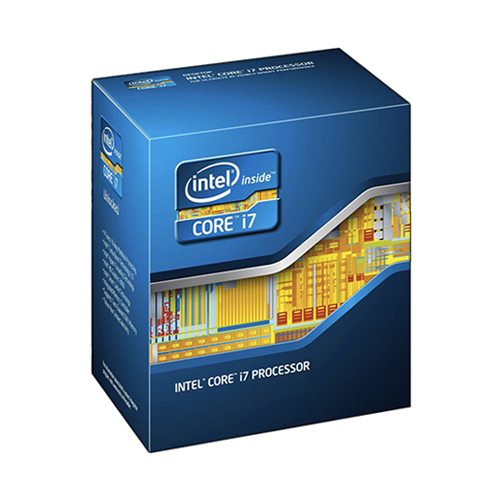
As previously determined in the RetroBook project, the maximum Intel processor generation officially supported by Windows XP is the third generation, codenamed Ivy Bridge. This represents a slight […]
Retro-XP-PC #1:
Perhaps the most powerful Windows XP PC in the world
After the successful RetroBook project, it was only natural that a desktop PC with exaggerated specifications would follow, but unlike the notebooks, it would really be at the […]

RetroBook 8540p #12:
Conclusion and thoughts
Based on everything I now know about the 8540p, if I were to tackle a similar project again, or if I were to come across another model like […]
RetroBook 8540p #11:
Software Setup
I will try to keep this section as brief as possible, as it is a very individual matter. BIOS-Update: If the BIOS has not yet been updated to […]
RetroBook 8540p #10:
Other hardware
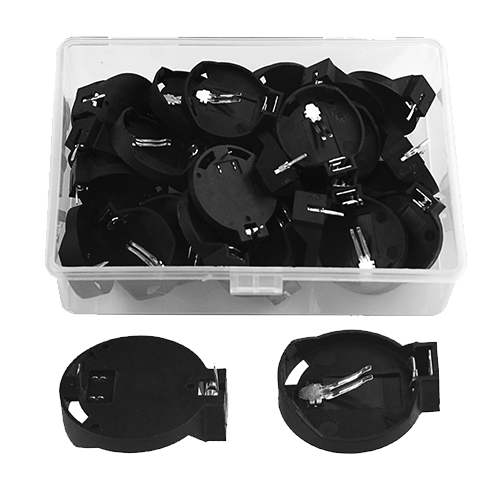
I would also like to mention here that the BIOS CMOS battery that is installed at the factory is unnecessarily complicated and proprietary in design. But it could […]
RetroBook 8540p #9:
Overclocking the GPU
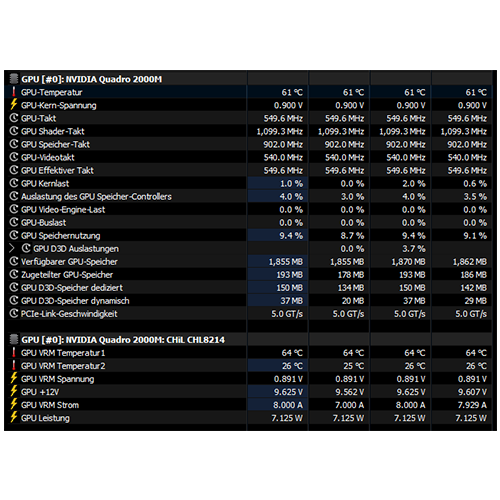
After successfully installing the drivers, I first installed Unigine Heaven (a DirectX 11 benchmark) to see if the 3D acceleration really runs smoothly and also how the power-hungry […]